
Latest News
Byju Raveendran Plans New EdTech Venture Amid Byju’s Turmoil!

Byju Raveendran, the founder of Byju’s, a leading edtech company currently facing significant operational and financial challenges, has announced plans to launch a new edtech venture. Raveendran stated that this new initiative would operate at “half the cost” of his struggling company, Think & Learn. He emphasized his commitment to finding innovative ways to teach, even if it means shutting down the parent company.
Criticism of Investors
Raveendran criticized his investors for their role in the decline of Byju’s, claiming they aggressively supported the company during its rapid expansion but quickly distanced themselves at the first signs of trouble. He expressed disappointment that the only individuals continuing to invest in the company are the founders themselves.
In a recent call with journalists, Raveendran remarked:
“Investors didn’t care about students or parents; they just wanted me to create a $100-billion company.”
His comments come in light of legal actions taken by Byju’s top investors, including Sofina, Peak XV, Prosus, and General Atlantic, who are seeking to remove him from his position due to allegations of mismanagement.
Defense of Decision-Making
The founder defended the decision-making process at Byju’s, asserting that all strategic choices were made with the agreement of the investors. He pointed out that he received considerable backing for the controversial acquisition of Whitehat Jr., while facing resistance regarding the purchase of Aakash, which has proven to be one of Byju’s more successful assets.
Acknowledgment of Past Miscalculations
Raveendran acknowledged past miscalculations, admitting that the company had overestimated growth potential, especially as pioneers in the global edtech sector. Currently, Byju’s is dealing with multiple legal disputes involving lenders and investors.
Financial Struggles and Legal Challenges
Although the value of its parent company, Think & Learn, has plummeted to zero, Raveendran claimed that 26 subsidiaries of Byju’s collectively report an annual recurring revenue (ARR) of ₹5,500 crore. At its peak in 2021, Byju’s reported revenues of ₹10,000 crore, but Raveendran noted that the core business has now dwindled to zero.
Mounting Debt and Insolvency Proceedings
Byju’s is facing a severe financial crisis marked by mounting debt. The company owes over $1.2 billion to U.S. banks and is currently undergoing insolvency proceedings. Reports indicate that Byju’s has not made a single payment in over 17 months, leading to increased scrutiny from creditors.
Employee Layoffs and Company Restructuring
In response to its financial challenges, Byju’s has laid off thousands of employees over the past two years. The company is undergoing a restructuring exercise aimed at simplifying operating structures and reducing costs. Current and former employees have claimed unpaid dues exceeding ₹300 crore, adding to the turmoil within the organization.
Investor Relations and Future Outlook
The ongoing conflict between Raveendran and investors has raised concerns about Byju’s future. Shareholders have moved resolutions seeking his ouster from leadership roles amid allegations of mismanagement. The situation remains tense as both parties navigate legal challenges and financial instability.
Conclusion
Byju Raveendran’s announcement of a new edtech venture amid Byju’s turmoil reflects both his resilience and the significant challenges facing the company. As he seeks to innovate in education at a lower cost, the path forward will depend heavily on resolving ongoing legal disputes and restoring investor confidence.
With mounting debt and internal strife, Byju’s must navigate a complex landscape if it hopes to emerge from its current crisis. The outcome will not only impact Raveendran’s vision for education but also serve as a cautionary tale within India’s rapidly evolving startup ecosystem.









The healthy snacking category in India is no longer a niche trend it is steadily becoming a mainstream consumer movement. The latest funding momentum around brands like Phab highlights how investors are increasingly backing companies that sit at the intersection of health, convenience, and modern lifestyles. As urban consumers become more conscious of ingredients, nutrition, and long-term wellness, demand is shifting away from traditional packaged snacks toward products that promise both taste and better nutritional value.
What makes this market particularly attractive is its ability to create recurring consumer habits. Unlike many direct-to-consumer categories that rely heavily on one-time purchases, healthy snacks naturally fit into daily routines. This opens opportunities for brands to build stronger customer loyalty while expanding into adjacent categories such as protein-rich foods, functional beverages, and wellness-focused products. The competition is no longer about selling snacks it is about owning a larger share of the consumer’s health journey.
Looking ahead, the biggest winners may not be the brands with the widest product portfolios, but those that can balance nutrition, affordability, and taste at scale. As health-conscious consumption expands beyond metro cities, India’s better-for-you food segment could evolve into one of the country’s most significant consumer categories. The growing flow of capital into this space signals that investors are betting on a long-term behavioral shift rather than a short-lived food trend.
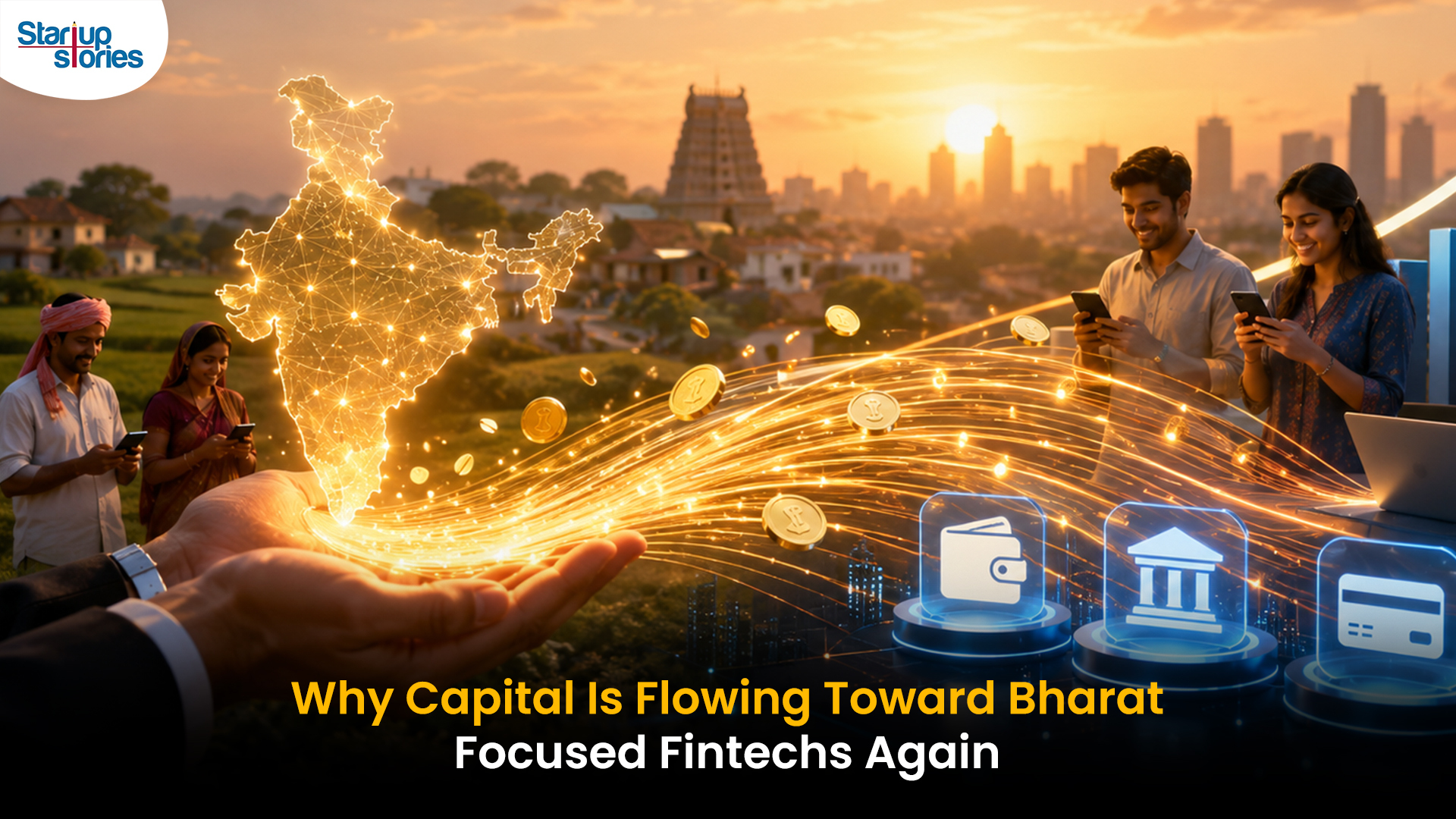
India’s fintech sector is entering a new phase of growth, and the spotlight is increasingly shifting toward underserved consumers in smaller cities and towns. The recent funding secured by WeRize reflects growing investor confidence in platforms that are expanding access to financial products such as credit, insurance, and other services for customers who have traditionally remained outside the reach of formal financial institutions. As digital adoption deepens across the country, fintech companies are finding significant opportunities beyond metro markets.
What makes this trend notable is the industry’s transition from simply enabling digital payments to building broader financial ecosystems. Rather than focusing on a single service, fintech firms are expanding their product portfolios to meet multiple customer needs under one platform. This approach not only strengthens customer relationships but also creates more sustainable business models by increasing engagement and lifetime value.
The larger implication is that India’s next fintech growth story may be driven by financial inclusion rather than convenience alone. Investors are increasingly backing companies that combine technology, data-driven underwriting, and localized distribution to serve emerging consumer segments. As competition intensifies, the ability to build trust, offer relevant products, and address the financial needs of Bharat could become a key differentiator for the next generation of fintech leaders.

OpenAI’s introduction of trusted contact safeguards for potential self-harm cases reflects a major evolution in AI responsibility.
Beyond Moderation
AI safety is shifting from simply blocking harmful content to actively supporting user wellbeing through:
- early risk detection
- human-centered intervention
- stronger emotional safety frameworks
This positions AI as more than an information tool—it becomes part of broader digital support systems.
Key Industry Impact
Trusted contact models could influence future safety standards across:
- AI assistants
- mental health platforms
- social media
- digital health services
The Bigger Challenge
While promising, success depends on balancing:
- privacy
- consent
- ethical intervention
- user trust
Final Take
This move signals that the future of AI safety may rely not just on preventing harmful responses, but on building more responsible, human-connected support systems.


