
Latest News
Shein’s India Comeback: A Strategic Partnership with Reliance


Shein, the popular Chinese fast-fashion retailer, is set to make a return to the Indian market, but with a significant twist. After being banned in 2020 due to data privacy concerns, Shein has partnered with Indian retail giant Reliance to circumvent these restrictions. This strategic move will allow the brand to continue its operations in India while adhering to the country’s strict data localization laws.
Key Points of the Agreement
- Data Localization: As part of the agreement, Shein will relinquish control of its local operations and data to Reliance Retail. All data collected from Indian customers will be stored within India, ensuring compliance with local regulations and addressing national security concerns.
- Reliance as the Platform Owner: Reliance Retail will own and operate the platform, maintaining complete control over the technology and infrastructure. This arrangement allows Shein to operate purely as a technology partner without direct involvement in local operations.
- Local Manufacturing: Shein will collaborate with Indian manufacturers to produce products under its brand name. This initiative aims to boost the local textile industry and create jobs by establishing a network of manufacturers capable of meeting both domestic and international demand.
- Strict Security Measures: Both parties will adhere to stringent security measures to safeguard user data and comply with Indian laws. This includes regular security audits conducted by government-empaneled cybersecurity auditors.
Background on Shein’s Ban and Return
Shein was among over 300 Chinese apps banned in India in mid-2020 due to rising national security concerns following border tensions between India and China. The Indian government cited issues related to digital sovereignty as the primary reason for the ban. Although Shein’s app was removed from Indian app stores, its products continued to be available through other platforms like Amazon.
With this new partnership, Reliance aims to leverage its extensive retail infrastructure while enabling Shein to re-enter the market under a framework that satisfies regulatory requirements.
Economic Impact and Future Prospects
The partnership not only allows Shein to re-enter the Indian market but also positions it to tap into India’s growing consumer base. According to recent reports, the fast fashion market in India is projected to surpass $50 billion by FY31, outpacing other retail sectors.
Shein plans to provide training and support to over 25,000 local suppliers, integrating them into its global supply chain. By sourcing products locally, Shein aims to reduce its dependence on Chinese manufacturing while boosting India’s textile exports.
Competitive Landscape
The collaboration between Shein and Reliance is expected to shake up the Indian fast fashion market, which has seen competitors like Urbanic, Romwe, and Zudio attempt to fill the gap left by Shein’s absence. With Reliance’s significant market presence and resources, this partnership could redefine competition in the sector.
Conclusion
By partnering with Reliance, Shein aims to mitigate risks associated with data privacy and national security concerns while re-establishing its brand in India. This strategic move not only allows for compliance with local regulations but also supports India’s push for self-reliance in manufacturing and economic growth. However, it remains to be seen how consumers will react to this new model and whether it will be successful in the long run. As Shein prepares for its comeback, all eyes will be on how it navigates this complex landscape while appealing to Indian consumers once again.








The healthy snacking category in India is no longer a niche trend it is steadily becoming a mainstream consumer movement. The latest funding momentum around brands like Phab highlights how investors are increasingly backing companies that sit at the intersection of health, convenience, and modern lifestyles. As urban consumers become more conscious of ingredients, nutrition, and long-term wellness, demand is shifting away from traditional packaged snacks toward products that promise both taste and better nutritional value.
What makes this market particularly attractive is its ability to create recurring consumer habits. Unlike many direct-to-consumer categories that rely heavily on one-time purchases, healthy snacks naturally fit into daily routines. This opens opportunities for brands to build stronger customer loyalty while expanding into adjacent categories such as protein-rich foods, functional beverages, and wellness-focused products. The competition is no longer about selling snacks it is about owning a larger share of the consumer’s health journey.
Looking ahead, the biggest winners may not be the brands with the widest product portfolios, but those that can balance nutrition, affordability, and taste at scale. As health-conscious consumption expands beyond metro cities, India’s better-for-you food segment could evolve into one of the country’s most significant consumer categories. The growing flow of capital into this space signals that investors are betting on a long-term behavioral shift rather than a short-lived food trend.
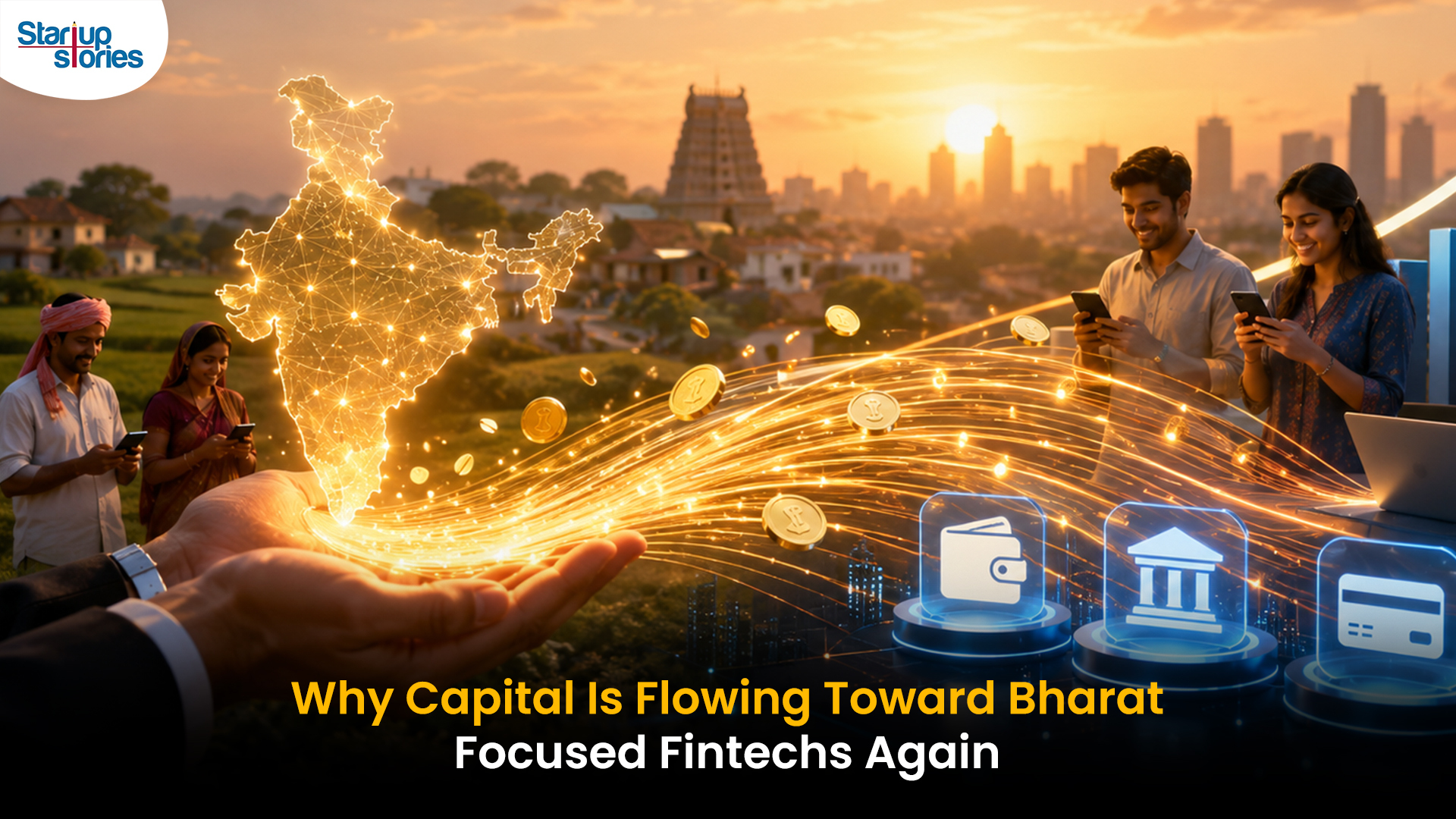
India’s fintech sector is entering a new phase of growth, and the spotlight is increasingly shifting toward underserved consumers in smaller cities and towns. The recent funding secured by WeRize reflects growing investor confidence in platforms that are expanding access to financial products such as credit, insurance, and other services for customers who have traditionally remained outside the reach of formal financial institutions. As digital adoption deepens across the country, fintech companies are finding significant opportunities beyond metro markets.
What makes this trend notable is the industry’s transition from simply enabling digital payments to building broader financial ecosystems. Rather than focusing on a single service, fintech firms are expanding their product portfolios to meet multiple customer needs under one platform. This approach not only strengthens customer relationships but also creates more sustainable business models by increasing engagement and lifetime value.
The larger implication is that India’s next fintech growth story may be driven by financial inclusion rather than convenience alone. Investors are increasingly backing companies that combine technology, data-driven underwriting, and localized distribution to serve emerging consumer segments. As competition intensifies, the ability to build trust, offer relevant products, and address the financial needs of Bharat could become a key differentiator for the next generation of fintech leaders.

OpenAI’s introduction of trusted contact safeguards for potential self-harm cases reflects a major evolution in AI responsibility.
Beyond Moderation
AI safety is shifting from simply blocking harmful content to actively supporting user wellbeing through:
- early risk detection
- human-centered intervention
- stronger emotional safety frameworks
This positions AI as more than an information tool—it becomes part of broader digital support systems.
Key Industry Impact
Trusted contact models could influence future safety standards across:
- AI assistants
- mental health platforms
- social media
- digital health services
The Bigger Challenge
While promising, success depends on balancing:
- privacy
- consent
- ethical intervention
- user trust
Final Take
This move signals that the future of AI safety may rely not just on preventing harmful responses, but on building more responsible, human-connected support systems.

Common Governance Challenges Faced by Nonprofit Organizations in India

How Lenskart Made Indians Comfortable Buying Glasses Online


f1news.space
April 13, 2026 at 4:05 pm
making your own steroids
References:
f1news.space
https://asgp.net.au/يــــــا-قائــــم-آل-محمد
April 16, 2026 at 9:53 pm
References:
Casino fr
References:
https://bikestream.cz/za-jizdy/26623-sekanina-nejlepsi-z-favoritu-na-zavode-okolo-jiznich-cech.html
https://graph.org
April 21, 2026 at 2:24 am
References:
Cherokee casino tulsa
References:
https://graph.org/Casino-Rocket-Review-Blast-Off-to-Big-Wins-and-Stellar-Bonuses-04-20
video poker machines
April 21, 2026 at 4:17 pm
References:
Is fastpay casino safe
References:
https://graph.org/Casino-Rocket-Review-2026-Blast-Off-with-Top-Bonuses–Games-04-20
casino-aachen.online-spielhallen.de
April 26, 2026 at 7:03 am
References:
Meadows racetrack and casino
References:
https://qbet-casino-nl.online-spielhallen.de/
https://hooters-casino-las-vegas.online-spielhallen.de
April 26, 2026 at 11:31 am
References:
Monopoly slot machine
References:
https://bet-bet-casino.online-spielhallen.de/
Mönchengladbach
April 27, 2026 at 4:32 am
References:
Recklinghausen
References:
https://dream-casino.online-spielhallen.de/
Cologne (Köln)
April 27, 2026 at 4:33 am
References:
Mönchengladbach
References:
https://casino-hintergrund.online-spielhallen.de/
Erlangen
April 27, 2026 at 12:23 pm
References:
Remscheid
References:
https://gameyard-casino-blog.online-spielhallen.de/
Darmstadt
April 27, 2026 at 12:41 pm
References:
Leverkusen
References:
https://eintritt-casino-baden-baden.online-spielhallen.de/
http://dev-gitlab.dev.sww.com.cn/
May 4, 2026 at 3:28 am
References:
Classic slots
References:
https://git.sunlix.one/tiffinyarmitag
https://caesars-casino-las-vegas.online-spielhallen.de/
June 15, 2026 at 4:15 pm
References:
Lucky nugget mobile casino https://caesars-casino-las-vegas.online-spielhallen.de/