
Latest News
Paytm To Invest Rs. 5000 Crores In Its Payments And Financial Services Business

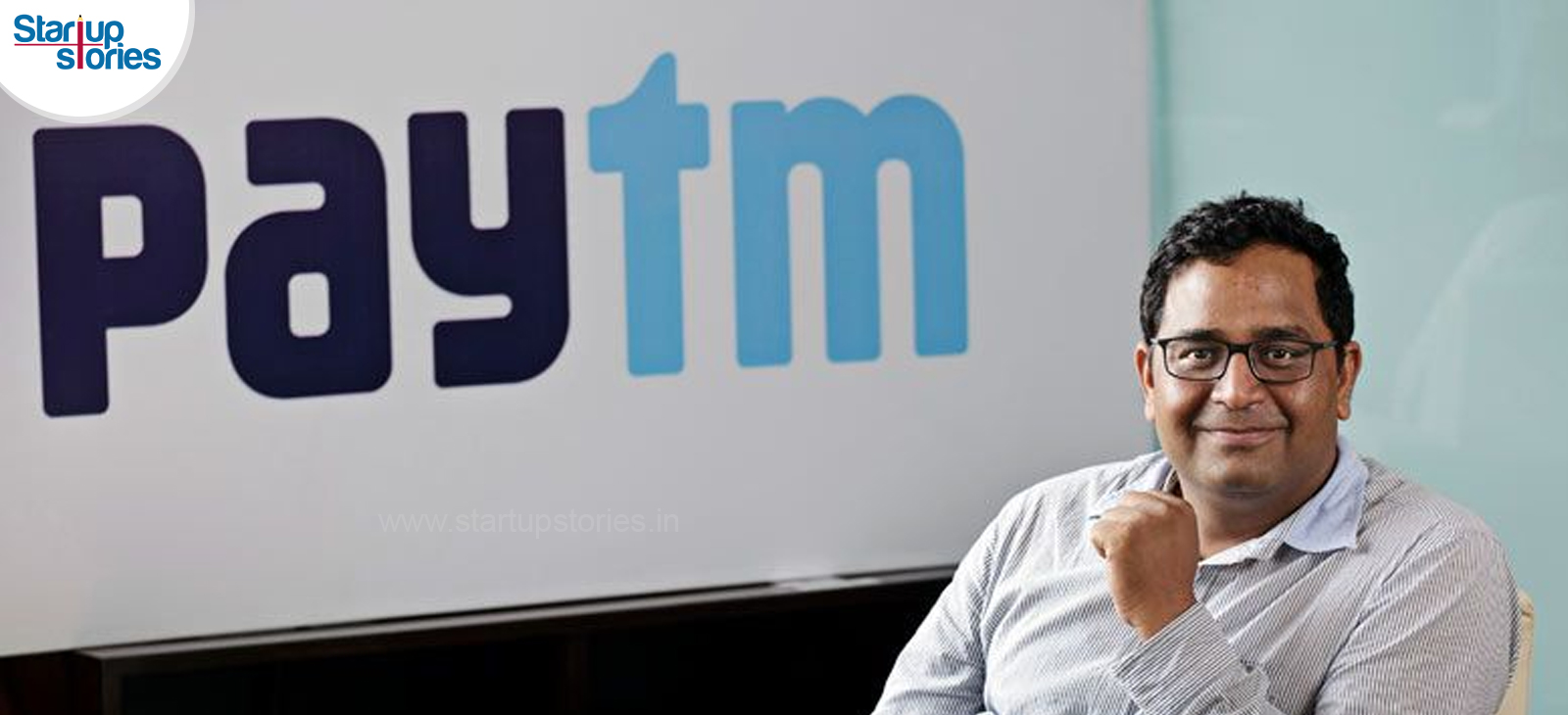
The digital payment behemoth Paytm, is all set to make investments worth Rs. 5000 crores later this year. Alongside, the company is looking forward to doubling quarterly transactions from 1 billion per quarter to 2 billion per quarter by end of the year. With the rise of the digital payment platform, Paytm also intends to introduce new products and services. The Founder and CEO, Vijay Shekhar Sharma, said while there was an initial impact of a 10 to 15 per cent fall in transactions due to the Know Your Customer (KYC,) requirement in early March, the company recovered the numbers in March and grew again in April. The company also upgraded its Paytm services and fixed the money transfer issues that users were facing. However, the number of user transactions on Paytm every year increased from 18 in Jan 2017 to 34 in Jan 2018.
According to the company, creating new types of loans, newer types of insurance and a newest way of doing wealth management, will take time since it is a regulated environment where licences will be the key. Paytm have also partnered with ICICI Bank to launch post–paid services also. As of now, there are 100 million KYC wallets striving to bring more Indians under the services of financial and digital inclusion.
Vijay Shekhar Sharma also said the Reserve Bank of India’s KYC requirements impacted wallet to wallet P2P transactions for the company in March but in April the company sprung up again with Unified Payments Interface (UPI) also helping the cause. He added “One of the lucky things for us is that we started our KYC operations one year ago. We were building our model with financial services in mind much before the KYC obligation came on. It becomes onerous on an entity which is just in the payments business. Now the wallets are being issued by Paytm Payments Bank.”
The latest entrants into the digital payment path, from Google Tez to Instagram Payment everyone is trying to reach out to consumers to make payments more convenient. With digital payments all set to revolutionize in India, people are making the best use of e wallets.








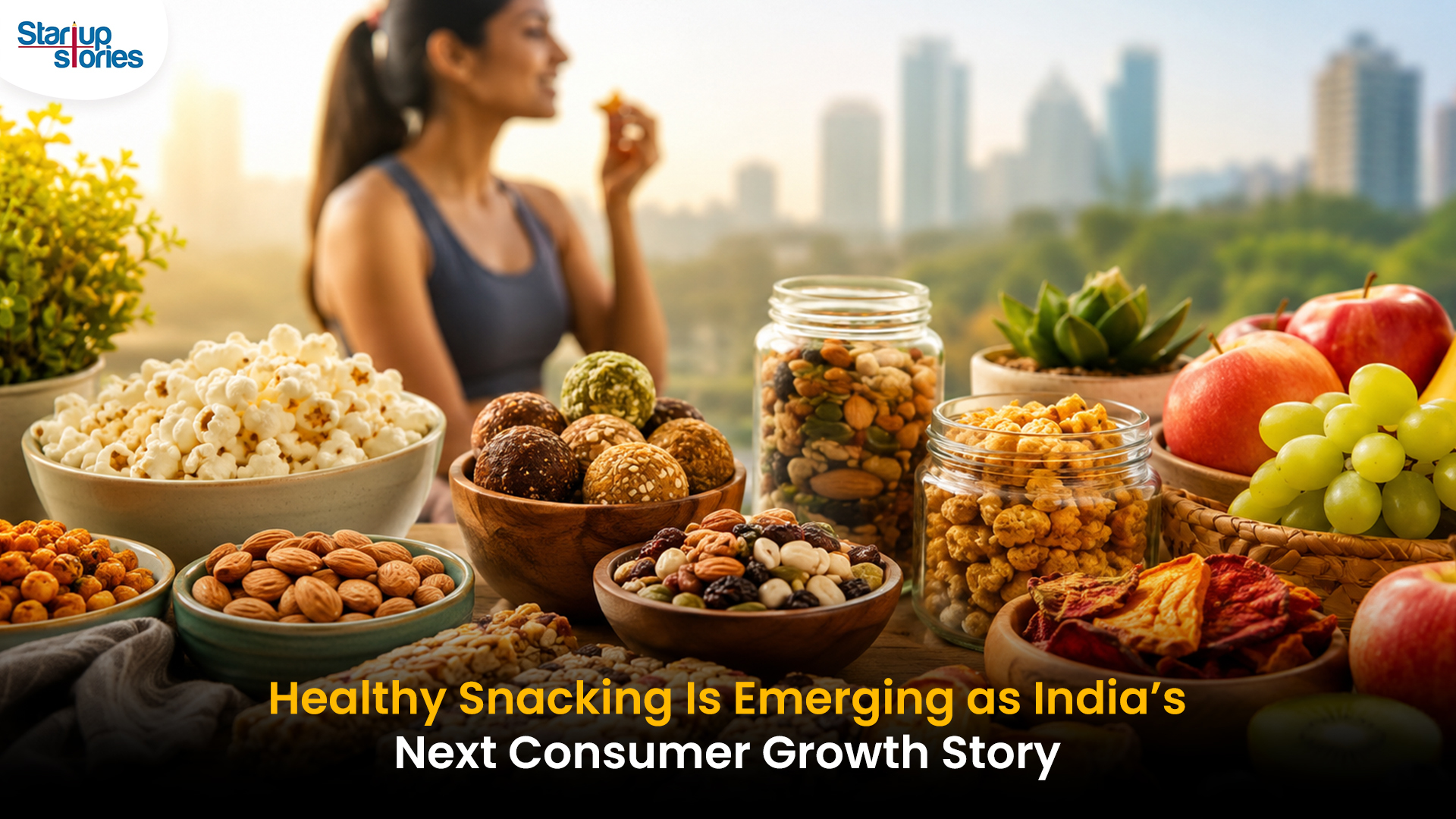
The healthy snacking category in India is no longer a niche trend it is steadily becoming a mainstream consumer movement. The latest funding momentum around brands like Phab highlights how investors are increasingly backing companies that sit at the intersection of health, convenience, and modern lifestyles. As urban consumers become more conscious of ingredients, nutrition, and long-term wellness, demand is shifting away from traditional packaged snacks toward products that promise both taste and better nutritional value.
What makes this market particularly attractive is its ability to create recurring consumer habits. Unlike many direct-to-consumer categories that rely heavily on one-time purchases, healthy snacks naturally fit into daily routines. This opens opportunities for brands to build stronger customer loyalty while expanding into adjacent categories such as protein-rich foods, functional beverages, and wellness-focused products. The competition is no longer about selling snacks it is about owning a larger share of the consumer’s health journey.
Looking ahead, the biggest winners may not be the brands with the widest product portfolios, but those that can balance nutrition, affordability, and taste at scale. As health-conscious consumption expands beyond metro cities, India’s better-for-you food segment could evolve into one of the country’s most significant consumer categories. The growing flow of capital into this space signals that investors are betting on a long-term behavioral shift rather than a short-lived food trend.
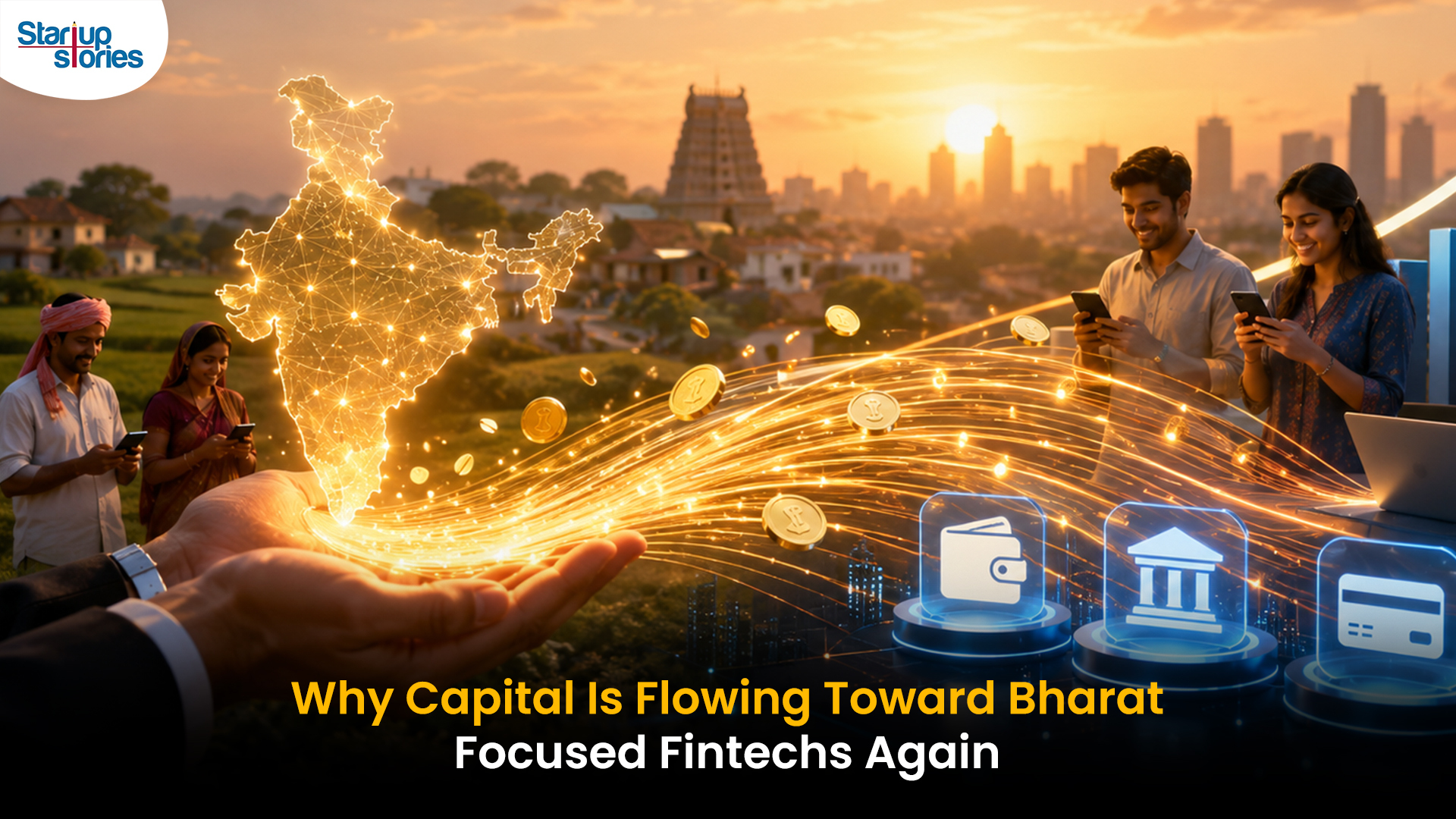
India’s fintech sector is entering a new phase of growth, and the spotlight is increasingly shifting toward underserved consumers in smaller cities and towns. The recent funding secured by WeRize reflects growing investor confidence in platforms that are expanding access to financial products such as credit, insurance, and other services for customers who have traditionally remained outside the reach of formal financial institutions. As digital adoption deepens across the country, fintech companies are finding significant opportunities beyond metro markets.
What makes this trend notable is the industry’s transition from simply enabling digital payments to building broader financial ecosystems. Rather than focusing on a single service, fintech firms are expanding their product portfolios to meet multiple customer needs under one platform. This approach not only strengthens customer relationships but also creates more sustainable business models by increasing engagement and lifetime value.
The larger implication is that India’s next fintech growth story may be driven by financial inclusion rather than convenience alone. Investors are increasingly backing companies that combine technology, data-driven underwriting, and localized distribution to serve emerging consumer segments. As competition intensifies, the ability to build trust, offer relevant products, and address the financial needs of Bharat could become a key differentiator for the next generation of fintech leaders.

OpenAI’s introduction of trusted contact safeguards for potential self-harm cases reflects a major evolution in AI responsibility.
Beyond Moderation
AI safety is shifting from simply blocking harmful content to actively supporting user wellbeing through:
- early risk detection
- human-centered intervention
- stronger emotional safety frameworks
This positions AI as more than an information tool—it becomes part of broader digital support systems.
Key Industry Impact
Trusted contact models could influence future safety standards across:
- AI assistants
- mental health platforms
- social media
- digital health services
The Bigger Challenge
While promising, success depends on balancing:
- privacy
- consent
- ethical intervention
- user trust
Final Take
This move signals that the future of AI safety may rely not just on preventing harmful responses, but on building more responsible, human-connected support systems.

Common Governance Challenges Faced by Nonprofit Organizations in India

How Lenskart Made Indians Comfortable Buying Glasses Online


Willardteake
May 15, 2026 at 7:23 pm
The CBD collection – gummies hybrid offers a variety of formats that please singular preferences, and each harmonious feels well executed. The lubricant appears clean and in conformance, the packaging materials bear heavy-duty, and the connivance is lucid till elegant. The products are comfortable to inventory and go with, thanks to obvious lids and compact sizing. Overall, the label delivers a polished and carefully crafted experience without unrequired extras.