
Technology
Know How IoT Actually Works!

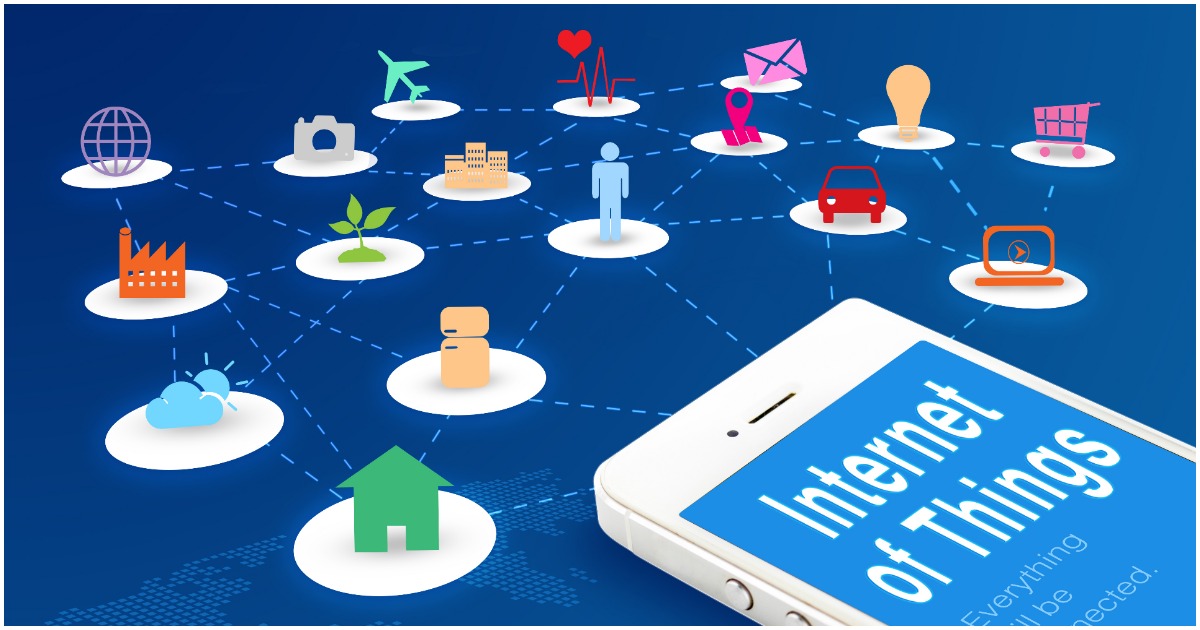
IoT (Internet of Things) is nothing but the actual internet working of physical devices. C connected devices, smart devices, buildings and other items which are embedded with electronics, software, sensors and network connectivity that enable these objects to collect and exchange data.
These are the unique identifiers and have the ability to transfer data over a network without requiring human to human or human to computer interaction.
Let us detail you what an IoT is all about. A complete IoT system is composed of 4 distinct components – sensors/devices, connectivity, data processing and a user interface.
1) Sensors/Devices:
These sensors/devices collect data from the environment. This could be any data ranging from a small message to a full video feed. Once the data gets to the cloud the particular software processes, it and will decide to perform an action. These actions can include sending an alert or automatically adjusting the sensors/devices without the user’s interference.
2) Connectivity:
Next, the data gets to the cloud. And the sensors/devices get connected to the cloud through various means which include satellite, cellular, Wi-Fi, Bluetooth, Low-Power Wide Area Networks (LPWAN), or connects directly to the internet via ethernet. Whatever the means, they accomplish the same task of getting data to the cloud.
3) Processing of data:
Once the data gets over to the cloud, the specific software performs some kind of processing on it. This processing of data can vary from being simple to complex. It can be as simple as a temperature reading or it can be as complex such as using a computer vision on video to identify objects.
4) User interface:
The data or the information is ultimately made useful to the end user in some way. This process could be via text messages, email notification to the user. Depending on the IoT application, the user may be able to perform an action and affect the system.
Any adjustments that the user makes are then sent in the opposite direction through the system – from the user interface, to the cloud, and then back to the sensors/devices to make the desired change.
We can monitor our homes and families remotely to keep them safe with these new technologies.
Well, share your thoughts on this in the comments box below!





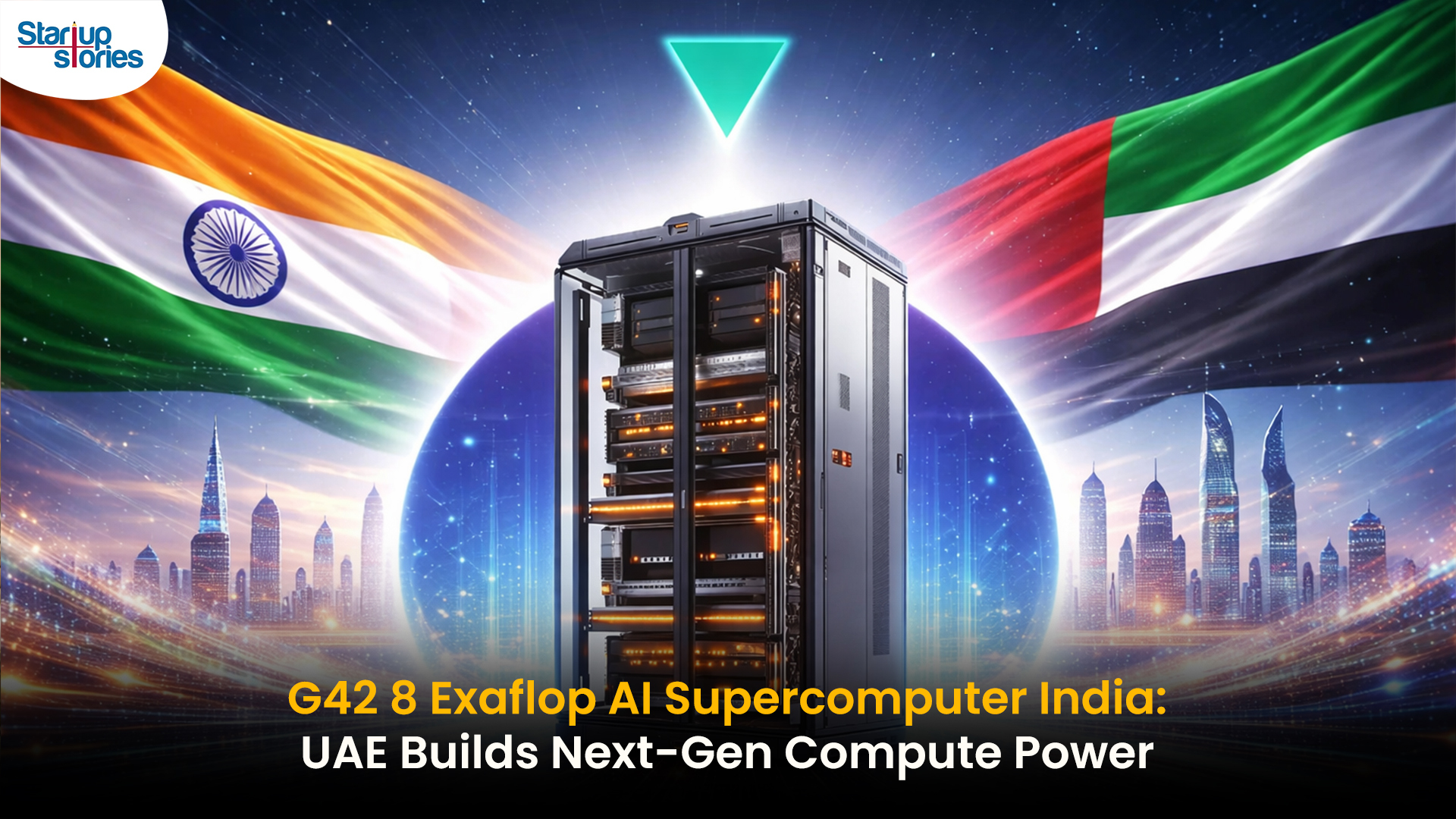
UAE-based G42 has announced plans to deploy an 8 exaflop AI supercomputer in India, announced at the AI Impact Summit 2026 in Delhi. This national-scale project partners with Cerebras, MBZUAI, and India’s C-DAC, operating under full Indian data sovereignty as part of the India AI Mission.
The supercomputer boosts sovereign AI capabilities, enabling startups, researchers, academics, SMEs, and government access for tailored applications like public services and language tech. G42 India CEO Manu Jain highlighted its role in making India AI-native while prioritizing security.
This follows India-UAE tech pacts in late 2025, positioning India among global leaders in exaflop AI infrastructure amid rising demand for localized compute. Cerebras CSO Andy Hock noted it will accelerate large model training for India-specific needs.
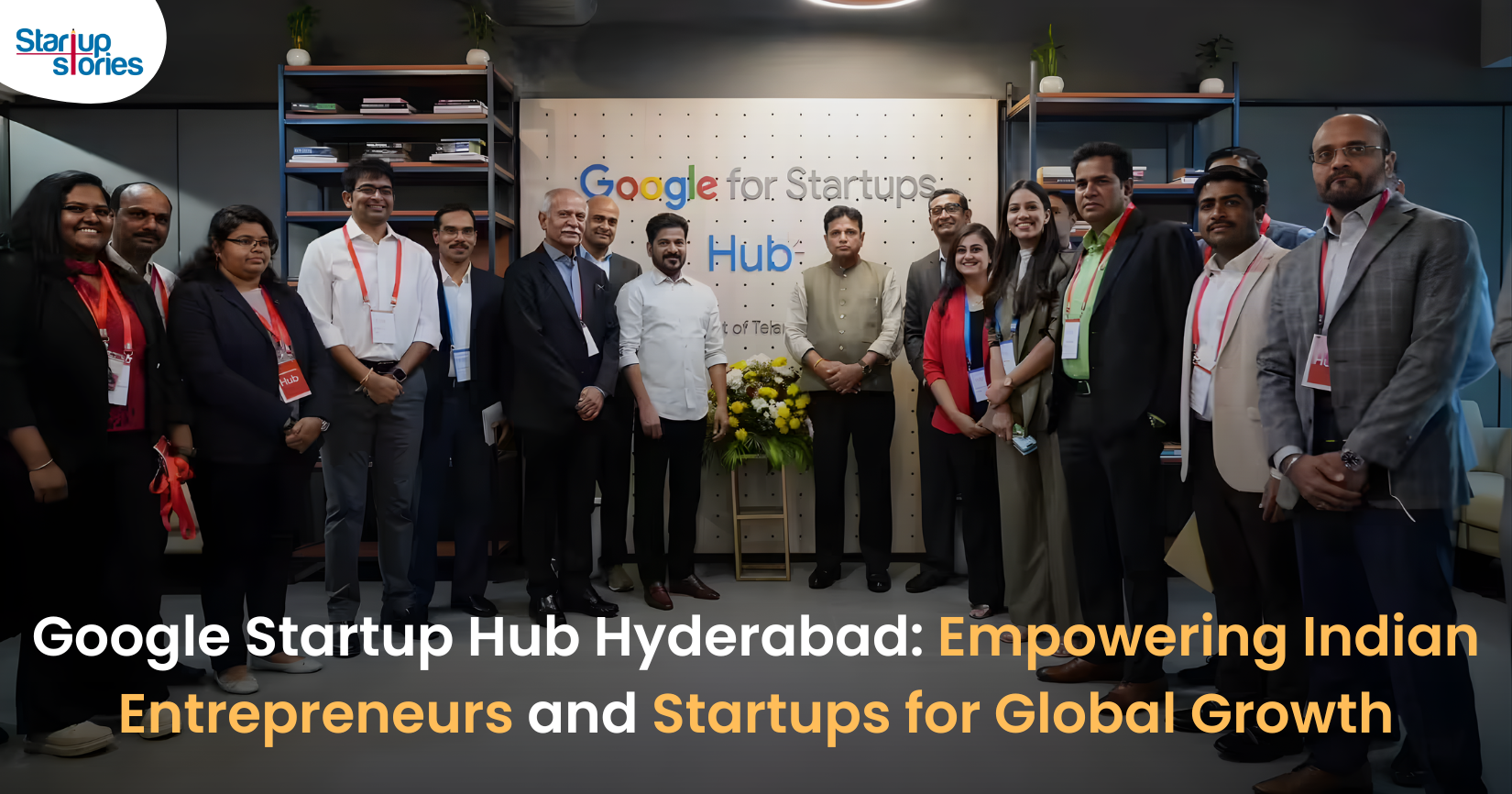
Google has launched the Google Startup Hub Hyderabad, a major step in strengthening India’s dynamic startup ecosystem. This new initiative aims to empower entrepreneurs, innovators, and developers by giving them access to Google’s global expertise, mentoring programs, and advanced cloud technology. The hub reflects Google’s mission to fuel India’s digital transformation and promote innovation through the Google for Startups program.
Located in the heart of one of India’s top tech cities, the Google Startup Hub in Hyderabad will host mentorship sessions, training workshops, and networking events designed for early-stage startups. Founders will receive Google Cloud credits, expert guidance in AI, product development, and business scaling, and opportunities to collaborate with Google’s global mentors and investors. This ecosystem aims to help Indian startups grow faster and compete globally.
With Hyderabad already home to tech giants like Google, Microsoft, and Amazon, the launch of the Google Startup Hub Hyderabad further cements the city’s position as a leading innovation and technology hub in India. Backed by a strong talent pool and robust infrastructure, this hub is set to become a growth engine for next-generation startups, driving innovation from India to global markets.
- Jio Platforms has launched JioPC, a cloud-based virtual desktop service that transforms any television connected to a Jio Set Top Box into a fully functional computer.
- Users simply connect a keyboard and mouse to access a desktop-like environment, complete with web browsing, productivity tools, and educational apps—all without needing a physical PC or extra hardware.
- The service is device-agnostic and works with all consumer PC brands, making advanced computing accessible and affordable for millions across India.
JioPC is designed to support a wide range of activities, from professional work to online learning and creative projects. By leveraging Jio’s robust cloud infrastructure, users can run even compute-intensive AI applications directly from their TV screens. The platform also ensures data security and reliability, as all files and settings are safely stored in the cloud, protecting users from data loss even if their device is reset or replaced.
With JioPC, Jio aims to democratize digital access and bring high-performance computing to Indian households at a fraction of the traditional cost. The service supports popular productivity suites like LibreOffice and Microsoft Office online, and Jio is offering a free trial to encourage users to experience the benefits firsthand. This innovative move is set to reshape how people in India work, learn, and connect in the digital age.

Common Governance Challenges Faced by Nonprofit Organizations in India

How Lenskart Made Indians Comfortable Buying Glasses Online


