
News
Google Rolls Out QR Code Sharing for Quick Share on Android

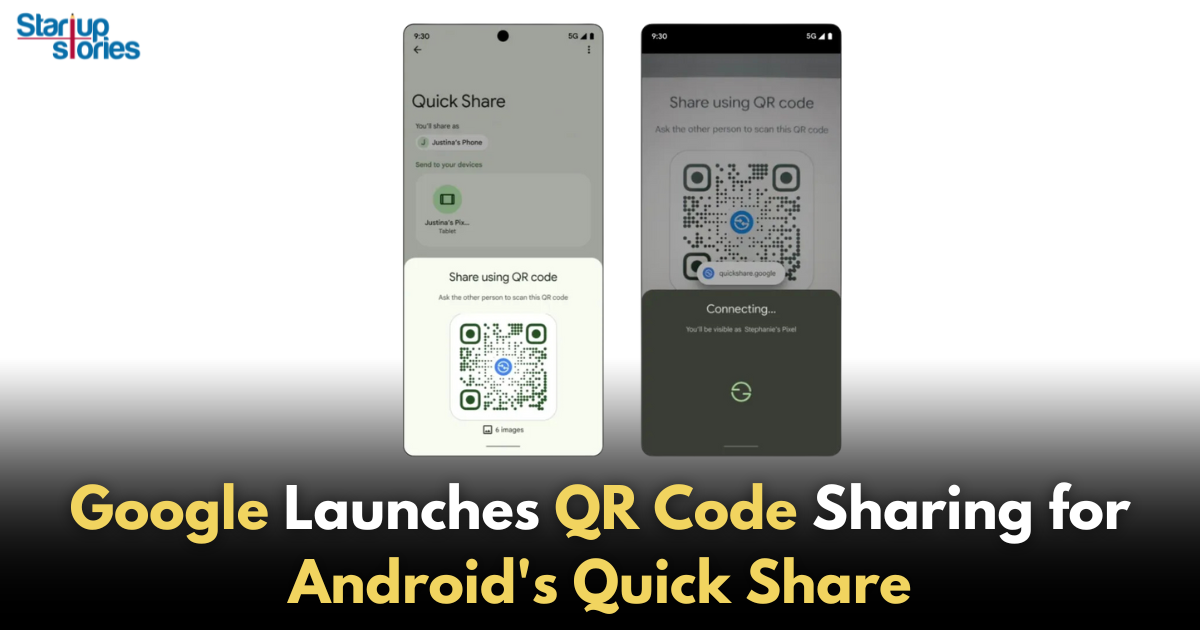
Google is enhancing file sharing on Android with the wide rollout of QR code functionality for its Quick Share feature. This update simplifies the process of transferring files between Android devices, eliminating the need for manual device discovery or contact setup.
How it Works
Effortless Sharing
With the latest Google Play Services update (version 24.49.33), users can access the “Use QR code” option within the Quick Share menu. This feature streamlines the sharing process, making it more intuitive and user-friendly.
QR Code Generation
When users select the “Use QR code” option, a unique QR code is generated on their device’s screen. This code serves as a digital key for initiating file transfers.
Quick Scanning
The recipient can easily scan the QR code using their Android phone’s camera app. Once scanned, a secure link is automatically generated, initiating the file transfer without additional steps.
Automatic Transfer
After scanning, a quickshare.google link opens on the recipient’s device, leading to an immediate connection and file transfer process.
Benefits
Simplicity
This new approach eliminates the need to add contacts, verify devices, or navigate complex settings. Users can share files with just a quick scan of a QR code.
Multiple Recipients
A single QR code can be scanned by multiple devices, allowing for convenient group sharing. This feature is particularly useful in collaborative environments where files need to be shared with several people simultaneously.
Reliability
The QR code method bypasses potential issues associated with device discovery in the standard Quick Share interface, ensuring a smoother and more reliable sharing experience.
Wider Availability
This update expands QR code sharing functionality beyond Samsung devices, making it a universal feature available for all Android users. Previously, similar functionality was primarily associated with Samsung’s own Quick Share offering.
A Familiar Feature
While new for Google’s Quick Share, many users may recognize this functionality from Samsung’s Quick Share feature, which includes additional capabilities like cloud sharing. This familiarity may ease the transition for users adapting to Google’s implementation.
Overall Impact
The addition of QR code sharing marks a significant improvement for Quick Share, enhancing its reliability and ease of use. This update aligns with Google’s December 2024 Feature Bundle, which focuses on improving Android’s versatility and user experience.
Future Potential
As QR codes become increasingly integrated into everyday tasks—from payments to information access—Google’s introduction of this feature reflects a broader trend in technology usage. The seamless integration of QR codes into file sharing not only enhances convenience but also aligns with how users are already interacting with technology.
Conclusion
With the rollout of QR code sharing in Quick Share, Google is making file transfers between Android devices faster and more efficient than ever before. By simplifying the sharing process and expanding accessibility across all Android devices, Google is enhancing user experience and reinforcing its commitment to innovation in mobile technology. This development promises to make sharing files not only easier but also more reliable in various settings, from personal to professional environments.






Bengaluru, January 13, 2026 Dazzl, the D2C beauty startup revolutionizing AI personalized skincare India, secured $3.2 million in seed funding led by OYO founder Ritesh Agarwal’s venture arm. Co-investors include Snapdeal’s Rohit Bansal and Fireside Ventures, valuing Dazzl at $15 million post-money. Founded in 2024 by IIT alumni Priya Singh and Arjun Mehta, the app uses smartphone scans for custom serums, boasting 50,000+ users and ₹5 crore ARR amid India’s $25 billion beauty market surge.
Ritesh Agarwal praised Dazzl’s tech: “Personalization is beauty’s future, like OYO’s guest model.” Funds target R&D for 100+ skin profiles, Gujarat manufacturing under PLI, Instagram/Nykaa campaigns, and 50 hires. In a 20% YoY growing sector (Redseer 2025), Dazzl edges Mamaearth and Plum with 95% AI precision, 90% natural formulas, ₹499 kits, 65% retention (vs. 40% avg), and viral TikTok traction in 10 cities.
D2C beauty startup Dazzl tackles regulations via FSSAI compliance, eyeing $10B e-commerce beauty by 2028 and MENA exports. Q2 haircare launches and Series A loom, with Agarwal’s backing signaling unicorn potential for sustainable beauty products India. Dazzl blends AI with clean beauty for 500M+ consumers.
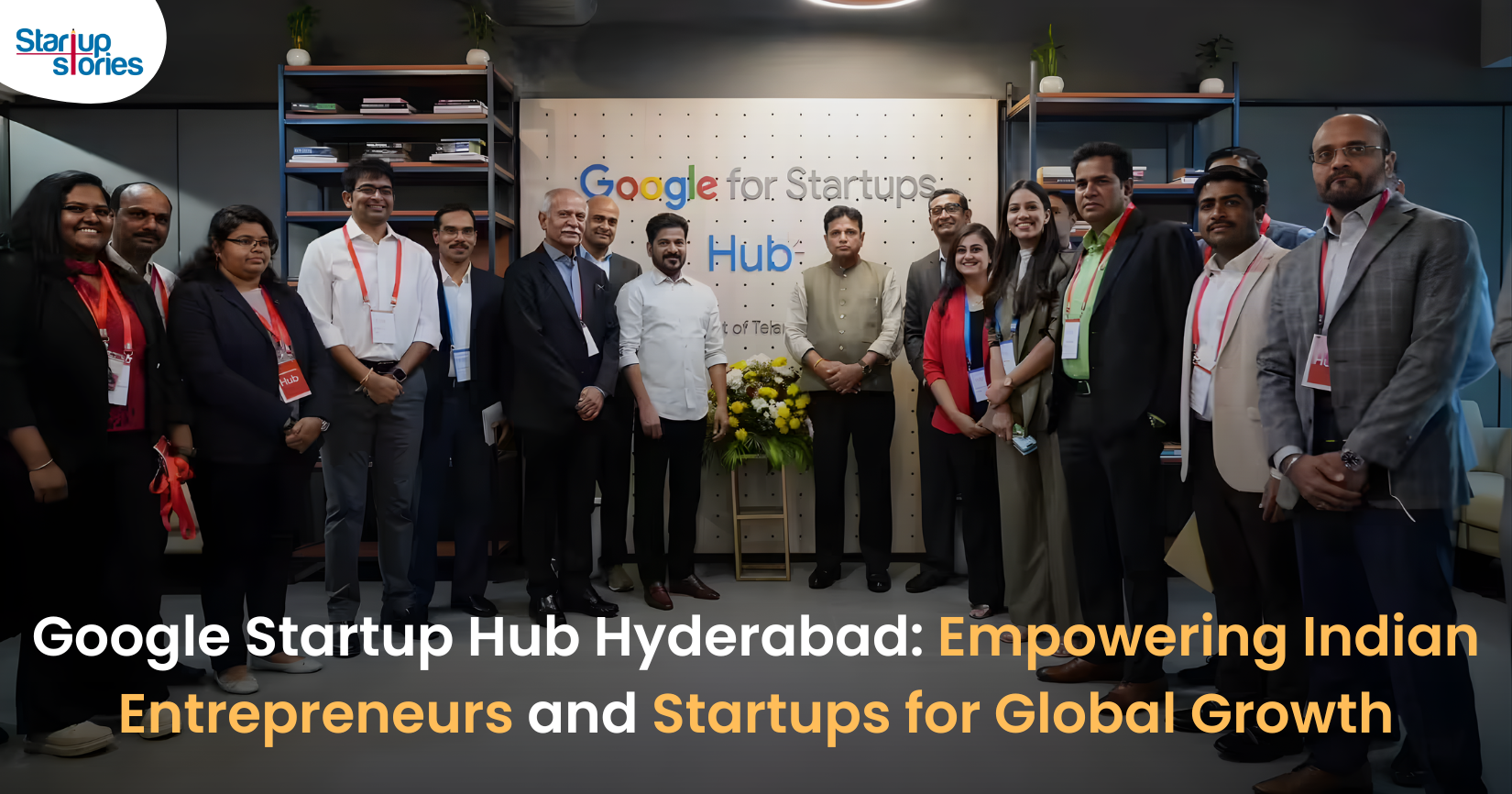
Google has launched the Google Startup Hub Hyderabad, a major step in strengthening India’s dynamic startup ecosystem. This new initiative aims to empower entrepreneurs, innovators, and developers by giving them access to Google’s global expertise, mentoring programs, and advanced cloud technology. The hub reflects Google’s mission to fuel India’s digital transformation and promote innovation through the Google for Startups program.
Located in the heart of one of India’s top tech cities, the Google Startup Hub in Hyderabad will host mentorship sessions, training workshops, and networking events designed for early-stage startups. Founders will receive Google Cloud credits, expert guidance in AI, product development, and business scaling, and opportunities to collaborate with Google’s global mentors and investors. This ecosystem aims to help Indian startups grow faster and compete globally.
With Hyderabad already home to tech giants like Google, Microsoft, and Amazon, the launch of the Google Startup Hub Hyderabad further cements the city’s position as a leading innovation and technology hub in India. Backed by a strong talent pool and robust infrastructure, this hub is set to become a growth engine for next-generation startups, driving innovation from India to global markets.
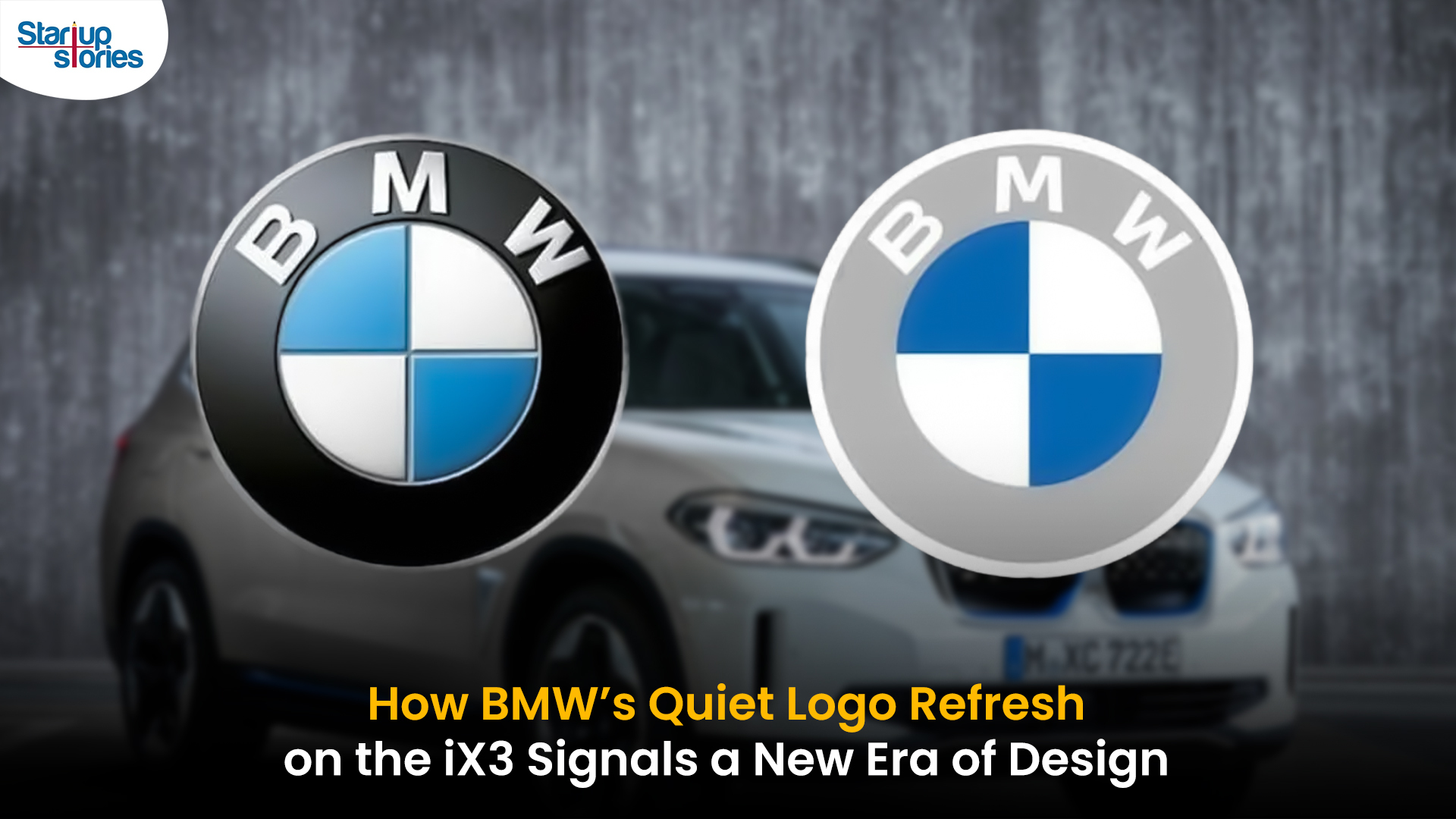
BMW quietly debuted its new logo on the all-electric iX3, marking a significant yet understated shift in the brand’s design direction for 2025. The updated emblem retains the classic roundel and Bavarian blue-and-white colors, but sharp-eyed enthusiasts noticed subtle refinements: the inner chrome ring has been removed, dividing lines between blue and white are gone, and the logo now features a contemporary satin matte black background with slimmer “BMW” lettering. These enhancements showcase BMW’s embrace of modern minimalism while reinforcing their commitment to premium aesthetics and the innovative Neue Klasse philosophy for future electric vehicles.
Unlike rival automakers that reveal dramatic logo changes, BMW’s refresh is evolutionary and respectful of tradition. The new badge ditches decorative chrome and blue borders associated with earlier electric models, resulting in a flatter, more digital-friendly design that mirrors recent branding seen in BMW’s digital communications. Appearing first on the iX3’s nose, steering wheel, and hub caps, this updated identity will gradually be adopted across all BMW models—both electric and combustion—signaling a unified brand language for years to come.
BMW’s strategic logo update represents more than just aesthetic reinvention—it underscores the brand’s dedication to future-ready mobility, design continuity, and a premium EV experience. As the new roundel begins rolling out on upcoming BMW vehicles, it stands as a testament to the automaker’s depth of detail and thoughtful evolution, offering subtle distinction for keen observers and affirming BMW’s iconic status in the ever-changing automotive landscape.

Common Governance Challenges Faced by Nonprofit Organizations in India

How Lenskart Made Indians Comfortable Buying Glasses Online


