
News
Freshworks Founder Sells $40 Million in Shares

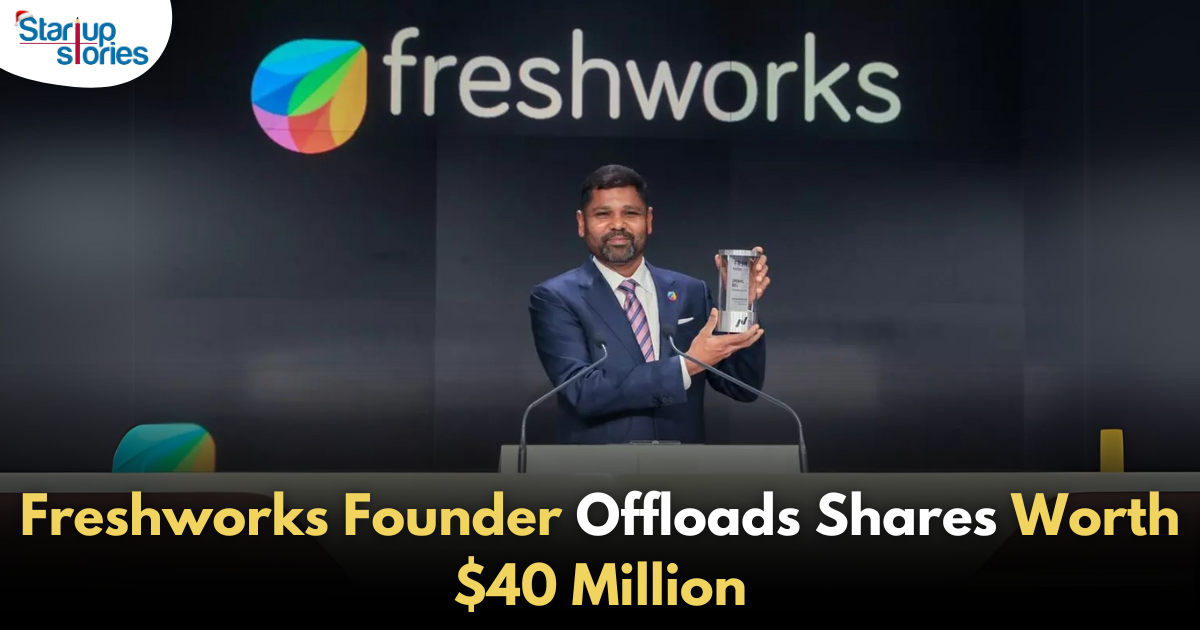
Ratna Girish Mathrubootham, the founder of Freshworks, recently sold shares worth $40 million on the Nasdaq stock exchange. The sales took place on December 18th and 19th, as detailed in the company’s filings with the U.S. Securities and Exchange Commission (SEC).
Details of the Sale
Mathrubootham sold a total of 2.5 million shares in two separate transactions:
- On December 18, he sold 8.35 lakh shares for approximately $14 million.
- On December 19, he sold an additional 16.6 lakh shares for roughly $26 million.
This sale aligns with Mathrubootham’s long-term financial diversification strategy, as he has been a significant shareholder in Freshworks and had pre-established trading plans to diversify his investments.
Context of the Sale
Despite this substantial sale, Mathrubootham remains the largest individual shareholder of Freshworks, retaining around 4% of the company’s total shares and significant voting power. This transaction comes after he stepped down as CEO earlier this year, handing over leadership to President Dennis Woodside.
Rationale Behind the Sale
The reasons for Mathrubootham’s decision to sell a portion of his shares can be attributed to several factors:
- Financial Diversification: As part of his strategy to diversify his investments, Mathrubootham has been gradually selling shares since Freshworks went public in September 2021.
- Market Conditions: The decision may also reflect current market conditions and the need for liquidity, especially in light of recent fluctuations in tech stock valuations.
- Company Performance: Following the sale, Freshworks has seen mixed performance, including a reported revenue increase of 22% to $186.6 million in its latest quarter compared to the same period last year, indicating growth potential despite market challenges.
Impact on Freshworks
This sale is significant not only for Mathrubootham but also for Freshworks as a company:
- The transaction underscores the ongoing changes within the company’s leadership structure following Mathrubootham’s departure as CEO.
- It reflects broader trends in the tech industry where founders and executives are adjusting their stakes amid evolving market dynamics.
Future Outlook
Freshworks continues to focus on expanding its customer base and enhancing its product offerings. The company serves over 68,000 customers, including notable clients like American Express and Sony. As it navigates these changes, maintaining investor confidence will be crucial for its ongoing growth and stability.
Conclusion
Girish Mathrubootham’s recent sale of $40 million worth of Freshworks shares marks a pivotal moment in his financial strategy and the company’s evolution. While he remains a key stakeholder with significant influence, this move illustrates the complexities faced by tech leaders in balancing personal financial strategies with corporate responsibilities. As Freshworks continues to grow and adapt in a competitive landscape, it will be essential to monitor how these changes impact both its market position and overall performance.








Bengaluru, January 13, 2026 Dazzl, the D2C beauty startup revolutionizing AI personalized skincare India, secured $3.2 million in seed funding led by OYO founder Ritesh Agarwal’s venture arm. Co-investors include Snapdeal’s Rohit Bansal and Fireside Ventures, valuing Dazzl at $15 million post-money. Founded in 2024 by IIT alumni Priya Singh and Arjun Mehta, the app uses smartphone scans for custom serums, boasting 50,000+ users and ₹5 crore ARR amid India’s $25 billion beauty market surge.
Ritesh Agarwal praised Dazzl’s tech: “Personalization is beauty’s future, like OYO’s guest model.” Funds target R&D for 100+ skin profiles, Gujarat manufacturing under PLI, Instagram/Nykaa campaigns, and 50 hires. In a 20% YoY growing sector (Redseer 2025), Dazzl edges Mamaearth and Plum with 95% AI precision, 90% natural formulas, ₹499 kits, 65% retention (vs. 40% avg), and viral TikTok traction in 10 cities.
D2C beauty startup Dazzl tackles regulations via FSSAI compliance, eyeing $10B e-commerce beauty by 2028 and MENA exports. Q2 haircare launches and Series A loom, with Agarwal’s backing signaling unicorn potential for sustainable beauty products India. Dazzl blends AI with clean beauty for 500M+ consumers.
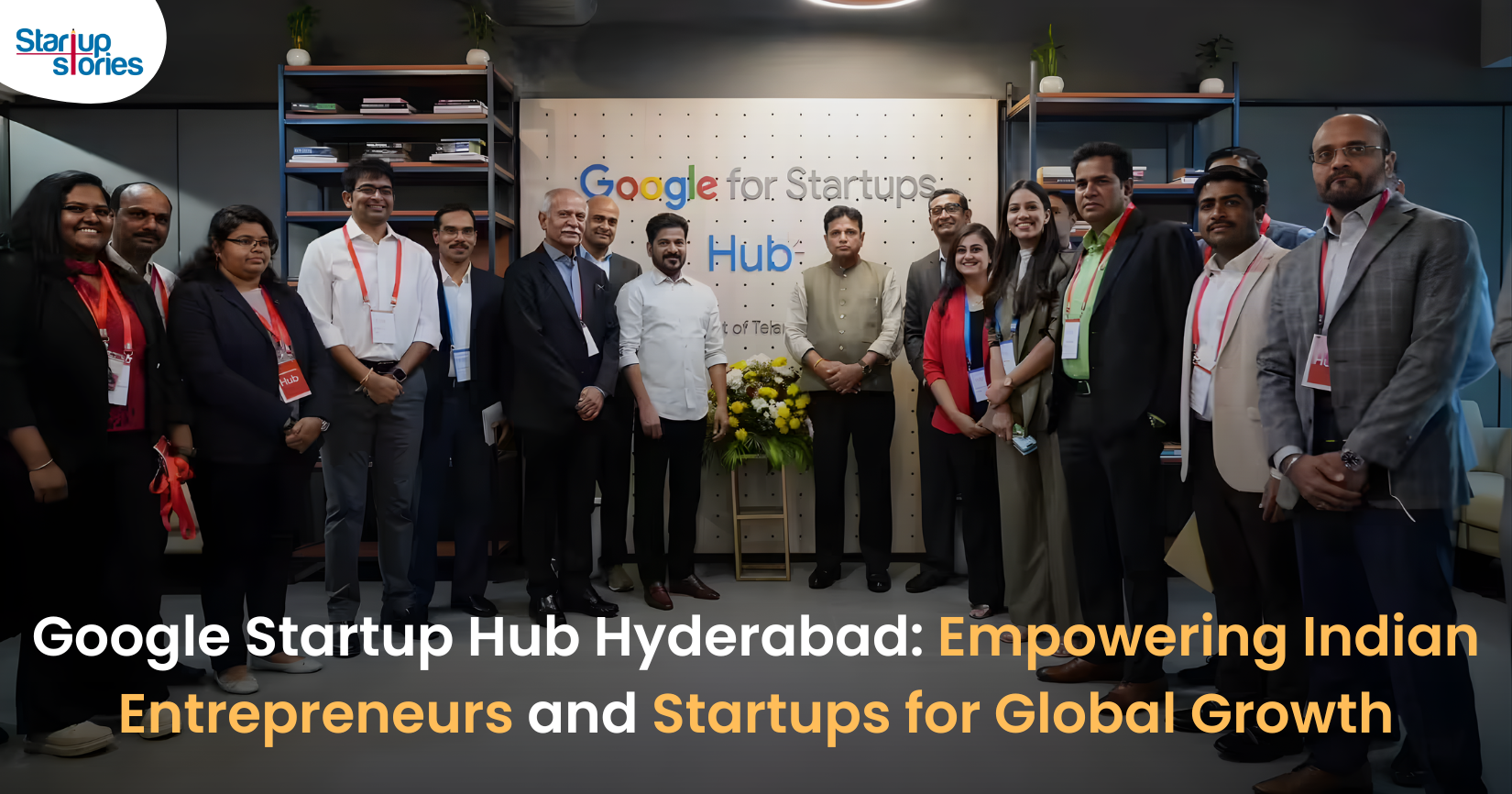
Google has launched the Google Startup Hub Hyderabad, a major step in strengthening India’s dynamic startup ecosystem. This new initiative aims to empower entrepreneurs, innovators, and developers by giving them access to Google’s global expertise, mentoring programs, and advanced cloud technology. The hub reflects Google’s mission to fuel India’s digital transformation and promote innovation through the Google for Startups program.
Located in the heart of one of India’s top tech cities, the Google Startup Hub in Hyderabad will host mentorship sessions, training workshops, and networking events designed for early-stage startups. Founders will receive Google Cloud credits, expert guidance in AI, product development, and business scaling, and opportunities to collaborate with Google’s global mentors and investors. This ecosystem aims to help Indian startups grow faster and compete globally.
With Hyderabad already home to tech giants like Google, Microsoft, and Amazon, the launch of the Google Startup Hub Hyderabad further cements the city’s position as a leading innovation and technology hub in India. Backed by a strong talent pool and robust infrastructure, this hub is set to become a growth engine for next-generation startups, driving innovation from India to global markets.
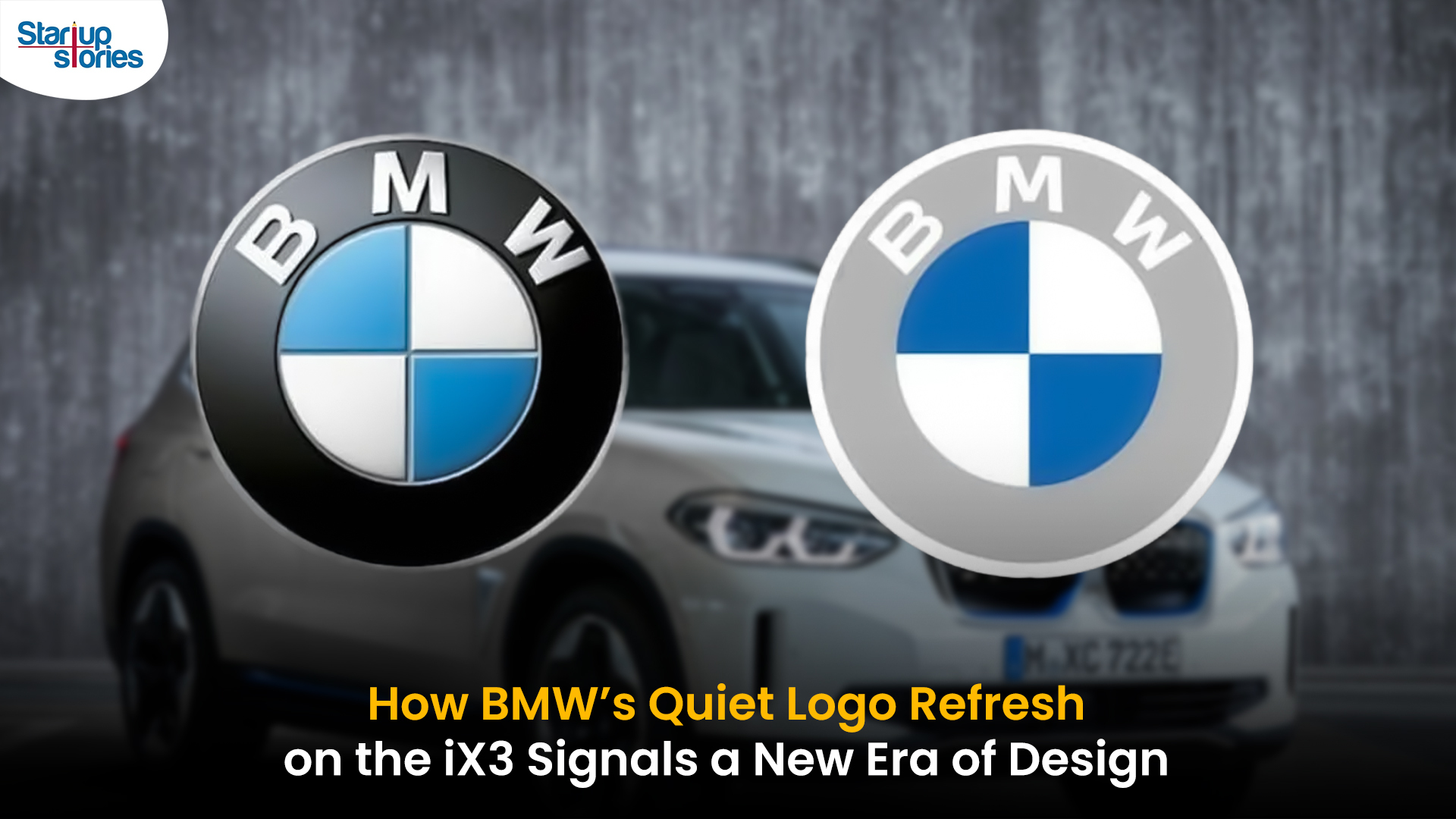
BMW quietly debuted its new logo on the all-electric iX3, marking a significant yet understated shift in the brand’s design direction for 2025. The updated emblem retains the classic roundel and Bavarian blue-and-white colors, but sharp-eyed enthusiasts noticed subtle refinements: the inner chrome ring has been removed, dividing lines between blue and white are gone, and the logo now features a contemporary satin matte black background with slimmer “BMW” lettering. These enhancements showcase BMW’s embrace of modern minimalism while reinforcing their commitment to premium aesthetics and the innovative Neue Klasse philosophy for future electric vehicles.
Unlike rival automakers that reveal dramatic logo changes, BMW’s refresh is evolutionary and respectful of tradition. The new badge ditches decorative chrome and blue borders associated with earlier electric models, resulting in a flatter, more digital-friendly design that mirrors recent branding seen in BMW’s digital communications. Appearing first on the iX3’s nose, steering wheel, and hub caps, this updated identity will gradually be adopted across all BMW models—both electric and combustion—signaling a unified brand language for years to come.
BMW’s strategic logo update represents more than just aesthetic reinvention—it underscores the brand’s dedication to future-ready mobility, design continuity, and a premium EV experience. As the new roundel begins rolling out on upcoming BMW vehicles, it stands as a testament to the automaker’s depth of detail and thoughtful evolution, offering subtle distinction for keen observers and affirming BMW’s iconic status in the ever-changing automotive landscape.

Common Governance Challenges Faced by Nonprofit Organizations in India

How Lenskart Made Indians Comfortable Buying Glasses Online


