
Latest News
Facebook Acquires Source3 To Fight Piracy


Leading social networking site Facebook has acquired US based startup Source3 to weed out pirated content shared without consent. The startup, launched in 2014, builds technology to detect intellectual property that has been shared by Internet users without permission. This intellectual property startup was founded by Patrick Sullivan and Ben Cockerham.
According to reports, Facebook will not only acquire their technology but also some of the core team members. The members joining the Facebook team will be working in their New York office and will help Facebook’s battles against pirated content. After this acquisition Source3 will be fully integrated with Facebook and will not be a standalone startup. The acquisition was announced on Source3’s website but no financial details of the deal were disclosed. According to media reports, Source3 has previously raised $ 4 million in venture capital funding.
Facebook has been struggling to crack down on pirated content for a long time and even introduced ‘Rights Manager Software’ two years ago. This tool allows creators to tag or fingerprint their content similar to YouTube‘s Content ID. This acquisition can help the Facebook team combat piracy on their site better. A Facebook spokesperson said they were excited to work with the Source3 team and learn from the expertise they’ve built in intellectual property, trademarks and copyrights.
According to a report in Recode, the company would like to be a home of professionally produced videos, which is why they had also started paying publishers and movie studios. Video creators had issues publishing their materials on the social networking site as others were able to steal content easily and profit off of them. As a solution to this problem, Facebook also added the option for rights holders to leave their content, pirated or otherwise, on the site and make money off the views generated by the pirates.
In their announcement about the acquisition, Source3 founders said they were excited to join Facebook and bring their IP trademark and copyright expertise to the Facebook team. “We feel great about this next step in our journey, and we thank everyone who helped us get to where we are today – we couldn’t have gotten this far without immense support from our investors, advisers, employees and others. We can’t wait to see what’s next,” they added.
Patrick Sullivan and Ben Cockerham sold their previous company, RightsFlow, which focused on music IP to Google back in 2011.









The healthy snacking category in India is no longer a niche trend it is steadily becoming a mainstream consumer movement. The latest funding momentum around brands like Phab highlights how investors are increasingly backing companies that sit at the intersection of health, convenience, and modern lifestyles. As urban consumers become more conscious of ingredients, nutrition, and long-term wellness, demand is shifting away from traditional packaged snacks toward products that promise both taste and better nutritional value.
What makes this market particularly attractive is its ability to create recurring consumer habits. Unlike many direct-to-consumer categories that rely heavily on one-time purchases, healthy snacks naturally fit into daily routines. This opens opportunities for brands to build stronger customer loyalty while expanding into adjacent categories such as protein-rich foods, functional beverages, and wellness-focused products. The competition is no longer about selling snacks it is about owning a larger share of the consumer’s health journey.
Looking ahead, the biggest winners may not be the brands with the widest product portfolios, but those that can balance nutrition, affordability, and taste at scale. As health-conscious consumption expands beyond metro cities, India’s better-for-you food segment could evolve into one of the country’s most significant consumer categories. The growing flow of capital into this space signals that investors are betting on a long-term behavioral shift rather than a short-lived food trend.
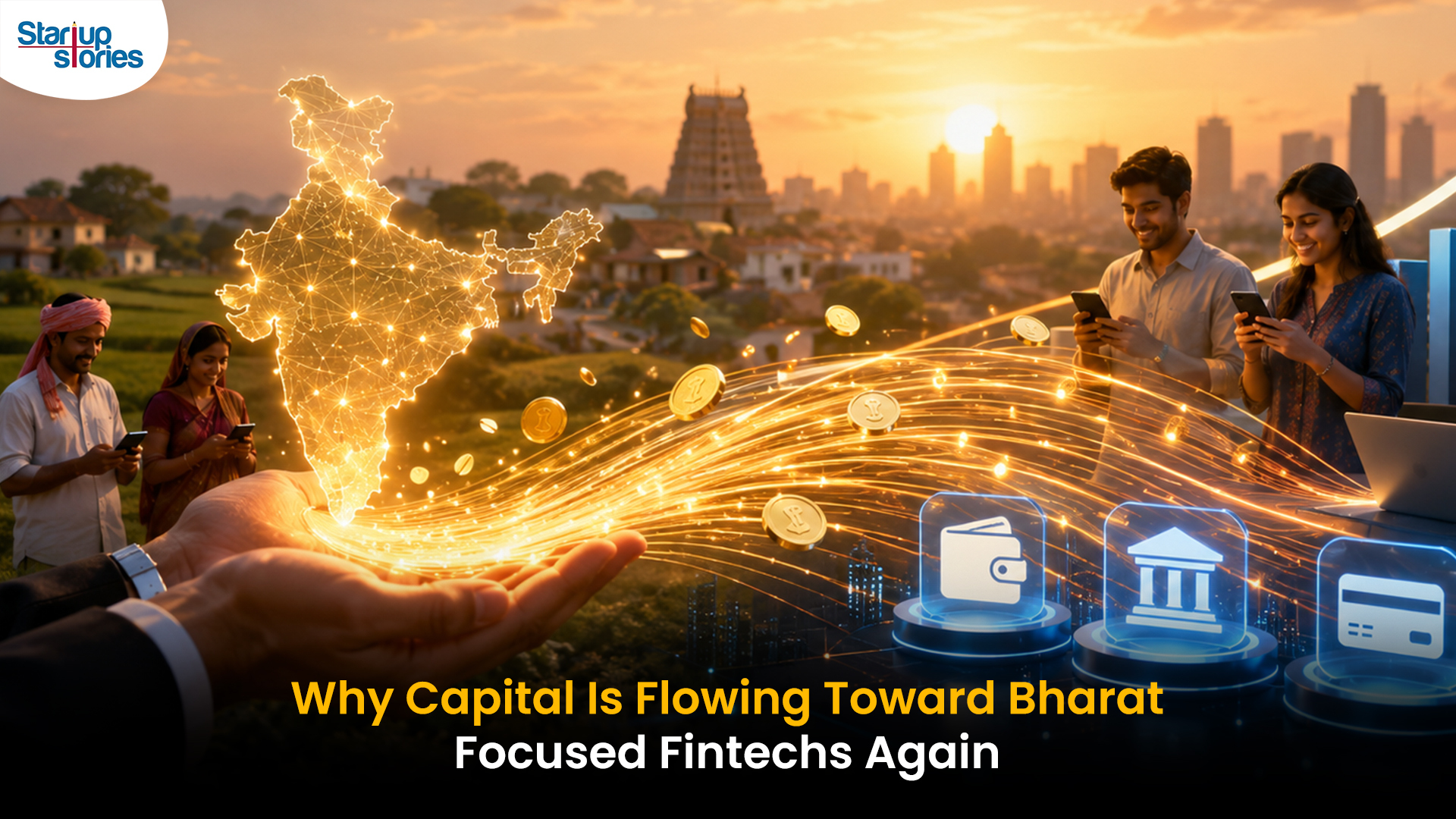
India’s fintech sector is entering a new phase of growth, and the spotlight is increasingly shifting toward underserved consumers in smaller cities and towns. The recent funding secured by WeRize reflects growing investor confidence in platforms that are expanding access to financial products such as credit, insurance, and other services for customers who have traditionally remained outside the reach of formal financial institutions. As digital adoption deepens across the country, fintech companies are finding significant opportunities beyond metro markets.
What makes this trend notable is the industry’s transition from simply enabling digital payments to building broader financial ecosystems. Rather than focusing on a single service, fintech firms are expanding their product portfolios to meet multiple customer needs under one platform. This approach not only strengthens customer relationships but also creates more sustainable business models by increasing engagement and lifetime value.
The larger implication is that India’s next fintech growth story may be driven by financial inclusion rather than convenience alone. Investors are increasingly backing companies that combine technology, data-driven underwriting, and localized distribution to serve emerging consumer segments. As competition intensifies, the ability to build trust, offer relevant products, and address the financial needs of Bharat could become a key differentiator for the next generation of fintech leaders.

OpenAI’s introduction of trusted contact safeguards for potential self-harm cases reflects a major evolution in AI responsibility.
Beyond Moderation
AI safety is shifting from simply blocking harmful content to actively supporting user wellbeing through:
- early risk detection
- human-centered intervention
- stronger emotional safety frameworks
This positions AI as more than an information tool—it becomes part of broader digital support systems.
Key Industry Impact
Trusted contact models could influence future safety standards across:
- AI assistants
- mental health platforms
- social media
- digital health services
The Bigger Challenge
While promising, success depends on balancing:
- privacy
- consent
- ethical intervention
- user trust
Final Take
This move signals that the future of AI safety may rely not just on preventing harmful responses, but on building more responsible, human-connected support systems.

Common Governance Challenges Faced by Nonprofit Organizations in India

How Lenskart Made Indians Comfortable Buying Glasses Online


Eddiecef
May 6, 2026 at 6:46 pm
I’ve been exploring https://terpenewarehouse.com/products/hindu-kush-terpenes recently, and I’m remarkably enjoying the experience. The scents are with, typical, and pleasant. They tot up a nice be a match for to my always drill, dollop fasten on the atmosphere and atmosphere. A massive hit upon quest of anyone who appreciates aromatic wellness tools.