
Entrepreneur Stories
Binny Bansal’s Life Before And After Flipkart


Binny Bansal, one of the co founders of Flipkart, led quite an interesting life before becoming one of the most sought after entrepreneurs in India. For Binny Bansal, Flipkart came into existence not because it was his dream project, but because Google refused to give him a job!
The early life
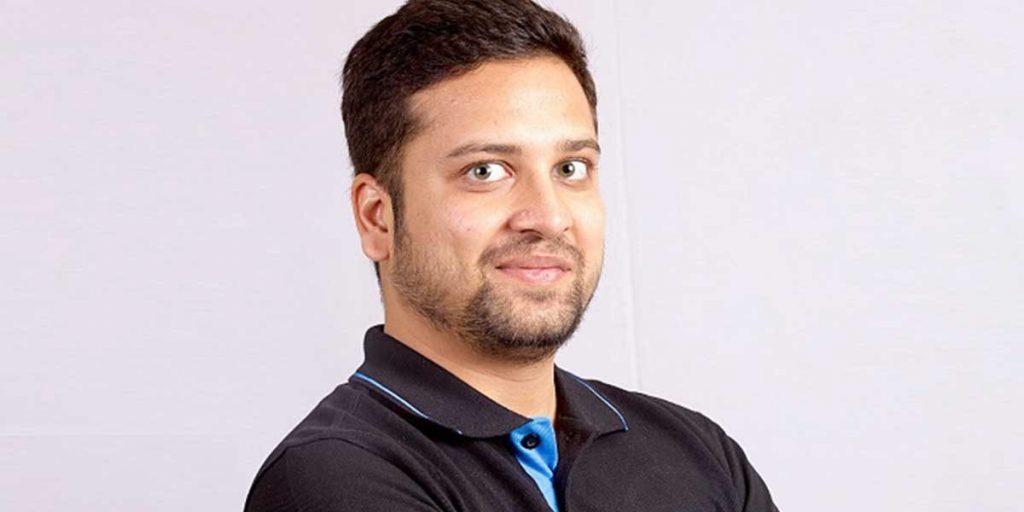
Picture credits: entracker.in
Back in the day, Binny Bansal’s primary love was technology and anything to do with technology. In fact, he loved the machine world so much, he even took a couple of courses on artificial intelligence and machine learning. Fresh out of IIT Delhi, Bansal realised his friends were all getting placed in various high paying jobs. While he did apply to these jobs, nothing excited him. This was when he knew he was right about the first love of his life: technology!
Taking the choice to jump from working for a MNC to working for himself was a tough choice for Binny. While there was a strong sense of comfort and satisfaction in taking home a regular package, that spark of excitement was missing. When he was introduced to Sachin Bansal, Binny realised he had finally found his calling! Despite an e commerce platform not being his first choice, Binny Bansal knew he was finally working on something he loved.
The beginning of Flipkart
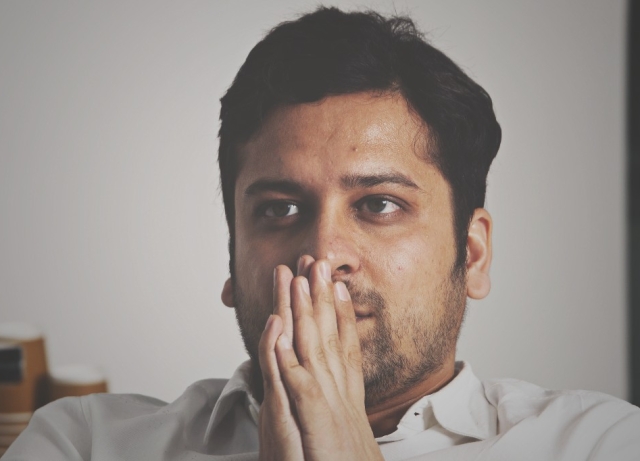
Picture credits: bloomberg.com
The beginning days of Flipkart were hard. Binny and his partner worked out of a one bedroom apartment, with no real help. The first challenge Binny and his partner, Sachin Bansal, faced was to convince people to invest in their idea. Out of the 40 bookstores they approached, only two people agreed. With the salary Binny had saved from his previous job, the Bansals kicked off Flipkart. Despite having a steady cash flow, getting people to find out about their business was slightly tough. The Bansals sold less than 10 books during the initial Flipkart period.
While initially starting off only as a book delivery platform, the idea of Flipkart started spreading and Binny realised the time had come to expand the company’s product range. One of the key reasons for Flipkart’s massive growth is that both the Bansals decided to never run out of cash. Only when they had enough money and bandwidth for another category, would they decide to expand their services. Through the years, Binny Bansal helped grow Flipkart so much, it started competing with the likes of established platforms like Amazon, Big Basket and Alibaba.
Even though Binny and his partner did not have the kind of technological capabilities which today’s entrepreneurs have, they were always a step ahead of their game. Every move Binny took was to better Flipkart’s overall growth. With his heart invested in finding the right kind of investors for his business, to growing it one job at a time, Binny turned Flipkart into the largest e commerce platforms not just in India all over the world as well!
When Flipkart was in talks of being acquired by Walmart, there was nothing being said about one of the founders leaving the platform. Which is why the news of the exit was such a massive shocker!
Binny Bansal and life after Flipkart
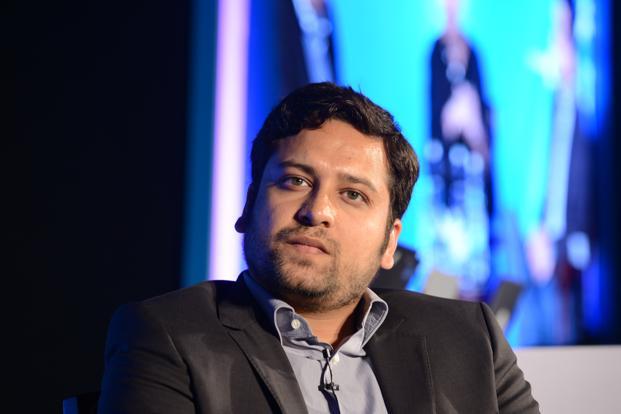
Picture credits: livemint.com
Despite quitting Flipkart, the man who gave birth to it refused to stop being an entrepreneur. Bansal is now working on a different startup and is also helping about 10,000 startups grow and become the next Flipkarts of India!
Founded and funded by Bansal and ex McKinsey consultant Saikiran Krishnamurthy, this startup aims at targeting series B and C startups and will offer them help by giving them software tools. By helping these startups grow, Binny Bansal has made sure to use the tools he learnt during his Flipkart days for the betterment of people who are working on their own startups!
From being rejected by investors, to quitting the Company to which he gave birth and to starting out on the journey of helping other startups, Binny Bansal has lived through a lot. If you think we missed out on any other life facts about Binny Bansal, comment and let us know!







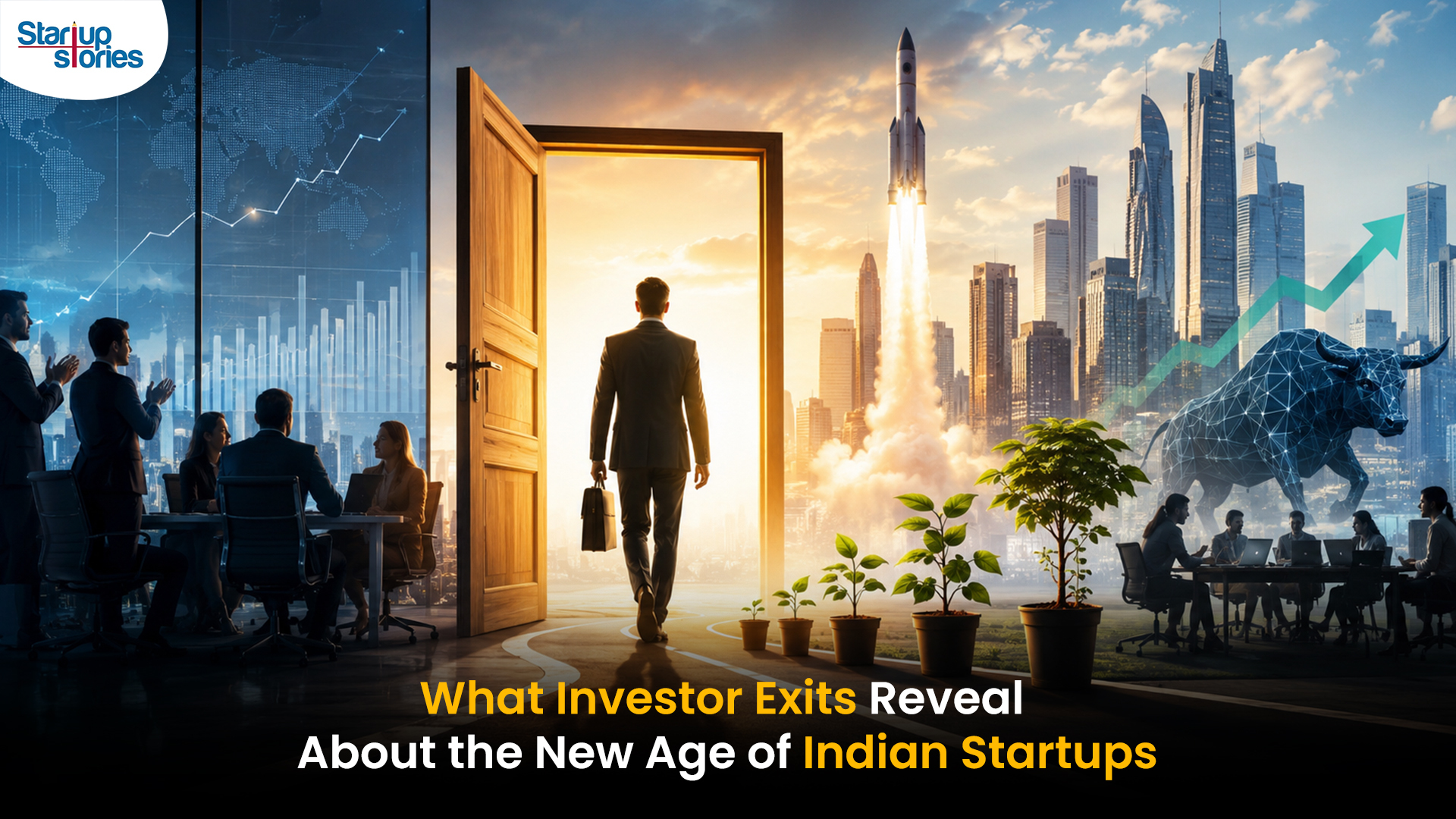
A decade ago, the success of a startup was measured largely by its ability to raise capital. Today, a different metric is gaining importance: the ability to generate meaningful exits for investors. Large stake sales by early backers are becoming increasingly common, not because growth opportunities have disappeared, but because India’s startup ecosystem is entering a more mature phase where capital is expected to complete its full cycle from investment to returns.
This evolution is particularly significant for consumer brands that have successfully blended technology, retail, and strong brand-building. Companies that were once viewed as high-risk startup bets are now attracting institutional investors capable of absorbing large transactions. Such developments indicate that these businesses are no longer being valued solely on future potential; they are increasingly being assessed on operational performance, market leadership, and long-term profitability. In many ways, investor exits are becoming a validation of a company’s ability to create lasting enterprise value.
The broader implication extends beyond a single company or investor. Successful exits encourage more global capital to enter India’s startup ecosystem because they demonstrate that liquidity opportunities exist at scale. As more venture-backed companies approach public listings, secondary transactions, or strategic investments, the focus of founders and investors alike may shift from chasing headline valuations to building durable businesses. The next chapter of India’s startup journey will likely be defined not just by the creation of unicorns, but by the creation of companies capable of delivering sustained returns to all stakeholders.
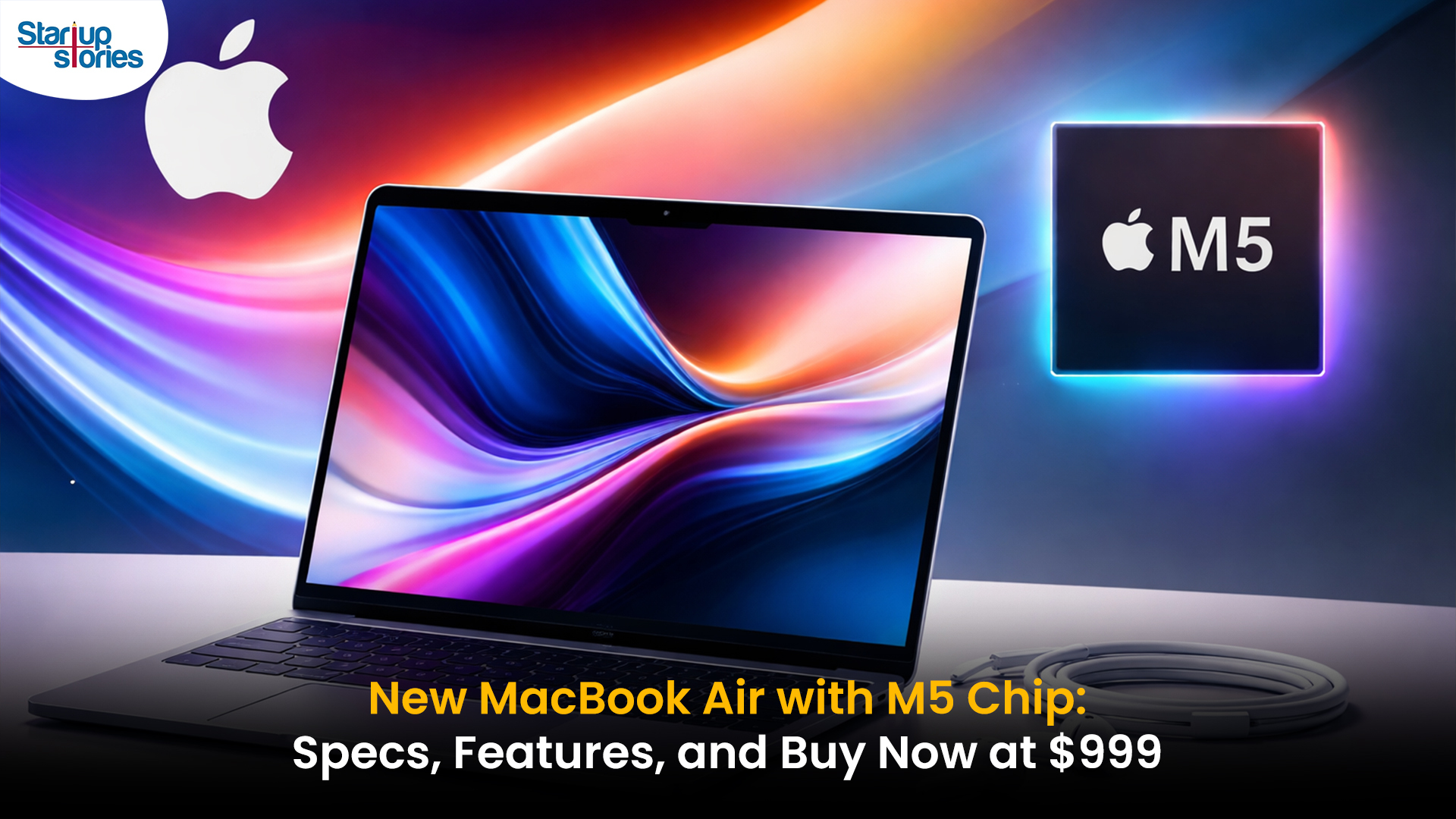
Apple has unveiled the new MacBook Air with M5 chip, starting at $999 for 13-inch and $1,299 for 15-inch models. The MacBook Air M5 boasts a 2nm M5 chip with 12-core CPU, 18-core GPU, and 50 TOPS Neural Engine for seamless AI tasks like real-time translation and 8K editing. Up to 22 hours of battery life, Thunderbolt 5, and Wi-Fi 7 make it the ultimate ultraportable, now 10% thinner at 0.44 inches with fanless cooling.
Key MacBook Air M5 features include Liquid Retina XDR display (500 nits, nano-texture option), 12MP Center Stage camera, and six-speaker Spatial Audio. Colors like new Sky Blue join Midnight and Starlight. Pre-orders are live today, with macOS Sequoia 15.4 enhancing Apple Intelligence and iPhone Continuity for students, pros, and remote workers.
Why buy MacBook Air M5 now? It outpaces Snapdragon X Elite rivals with ecosystem magic and future-proof performance, eyeing top 2026 laptop sales. CEO Tim Cook calls it “more capable than ever.” Visit apple.com for M5 MacBook deals and specs.

Delhi NCR-based gaming startup Zupee has acquired Mumbai-based microdrama platform Vertical TV in a deal valued under INR 40 Cr. This move strengthens Zupee Studio, its short-video arm launched in September 2025, by integrating Vertical TV’s expertise in bite-sized dramas like romance and thrillers.
Facing challenges from India’s 2025 real-money gaming ban, Zupee valued at $1 Bn after raising $120 Mn has pivoted to non-gaming content, including recent layoffs of 40% of its workforce. The acquisition builds on its November 2025 purchase of Australian AI firm Nucanon for interactive storytelling, targeting its 200 Mn+ users with engaging, mobile-first formats.
This deal underscores the rising microdrama trend in India, helping Zupee diversify amid regulatory pressures and compete in the short-video space dominated by quick, shareable content for on-the-go audiences.


