
Latest News
Nokia Mobile Launches New Nokia 2

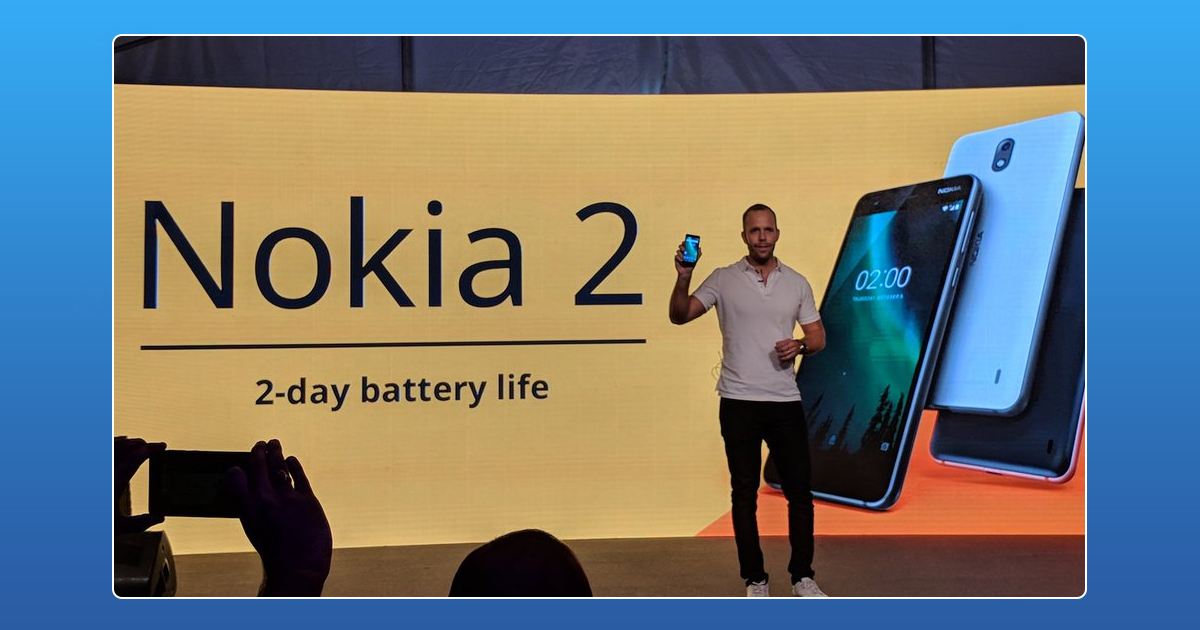
Technology major Nokia and HMD Global have finally revealed their flagship smartphone Nokia 2 at an event at the Sector 55-56 Metro station in Gurgaon. Considered to be one of Nokia’s most affordable Android phone till date, Nokia 2 will hit the shelves mid November.
Meet the new #Nokia2 with a 2-day battery life for long-lasting fun. #LiveMoreDoMore #Nokiamobile https://t.co/L7onp7dblP pic.twitter.com/NLCWFdwZE2
— Nokia Mobile (@nokiamobile) October 31, 2017
According to the Chief Marketing Officer of HMD Global, Pekka Rantala, India is one of the top three countries in terms of maximum user engagement and activation of Nokia mobile phones. In a span of 11 months, the company has successfully launched 11 new smartphones including the Nokia 3, Nokia 5 and Nokia 8. Pekka also announced, close to 1,00,00 retail stores will also be opened to increase the retail reach and create a mobile care network across India.
HMD Global’s Chief Product Officer Juho Sarvikas introduced the latest smartphone Nokia 2 which will integrate the three most important elements of a smartphone. Juho announced, Nokia 2 will employ the latest technologies with quality of integration along with a pure, secure and up to date Android experience.

Priced at € 99 (Rs. 7,500,) the Nokia 2 will pack a 5 inch LTPS HD (720×1280 pixels) resolution display along with a 4100 mAh battery that would last up to 2 days. The smartphone will run on Android 7.1 Nougat operating system initially and can be updated to Oreo.
Announcing Nokia phones beta labs! Be the first to test #AndroidOreo on #Nokia8 (physical Oreos not included!) https://t.co/91uhqstnnm pic.twitter.com/GNiNrK31B0
— Juho Sarvikas (@sarvikas) October 25, 2017
Furthermore, the phone will also pack a Qualcomm Snapdragon 212 SoC processor with four cores of ARM Cortex-A7 CPU. However, this 4G enabled phone will come with just 1GB of RAM and 8GB of internal storage coupled with a 5 MP front camera and an 8 MP primary camera. This handset, which comes equipped with the Google Assistant, is the first smartphone in this price range to support a digital assistant. The phone will be available in three color variants namely Copper Black, Pewter Black, and Pewter White.







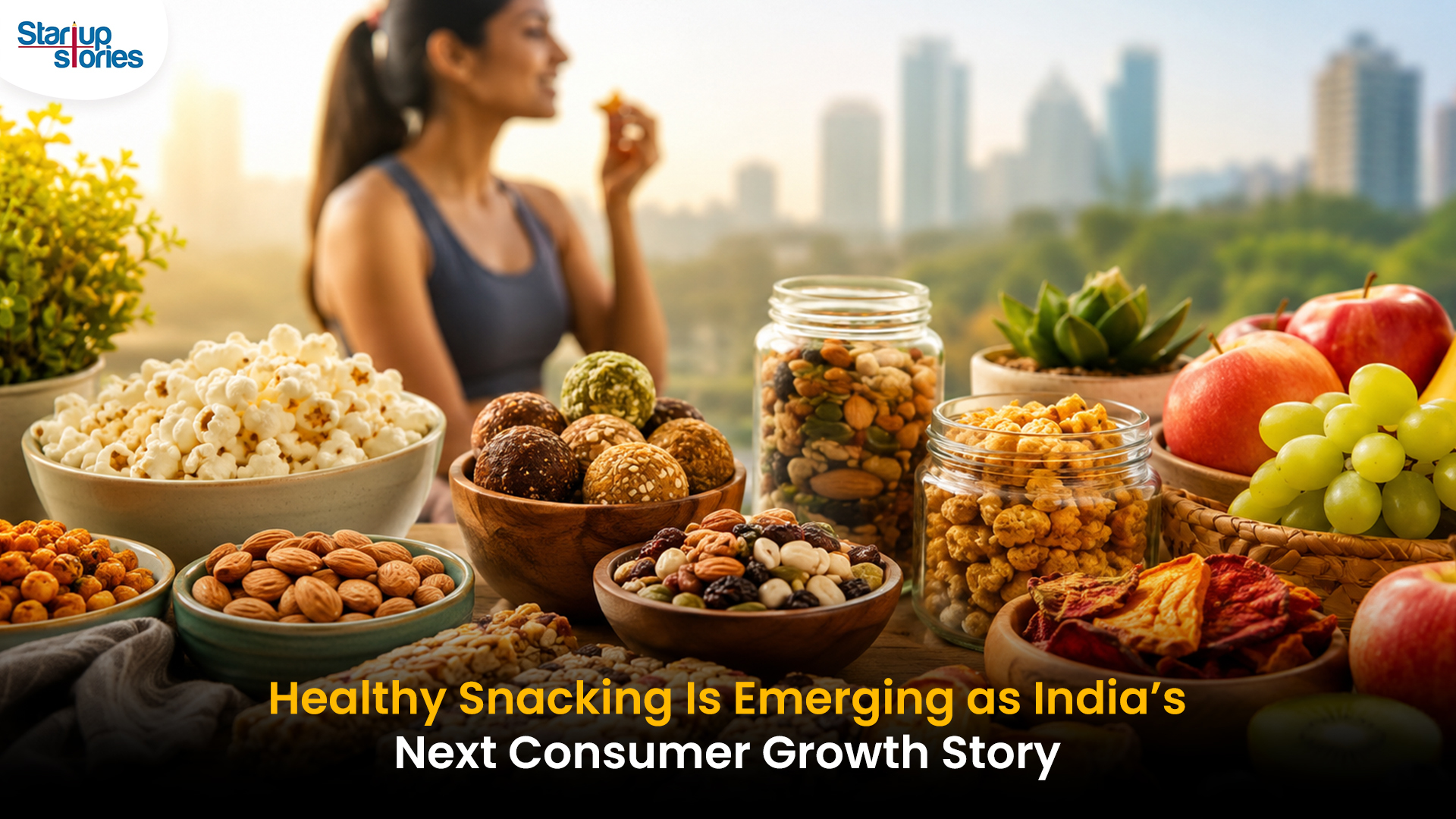
The healthy snacking category in India is no longer a niche trend it is steadily becoming a mainstream consumer movement. The latest funding momentum around brands like Phab highlights how investors are increasingly backing companies that sit at the intersection of health, convenience, and modern lifestyles. As urban consumers become more conscious of ingredients, nutrition, and long-term wellness, demand is shifting away from traditional packaged snacks toward products that promise both taste and better nutritional value.
What makes this market particularly attractive is its ability to create recurring consumer habits. Unlike many direct-to-consumer categories that rely heavily on one-time purchases, healthy snacks naturally fit into daily routines. This opens opportunities for brands to build stronger customer loyalty while expanding into adjacent categories such as protein-rich foods, functional beverages, and wellness-focused products. The competition is no longer about selling snacks it is about owning a larger share of the consumer’s health journey.
Looking ahead, the biggest winners may not be the brands with the widest product portfolios, but those that can balance nutrition, affordability, and taste at scale. As health-conscious consumption expands beyond metro cities, India’s better-for-you food segment could evolve into one of the country’s most significant consumer categories. The growing flow of capital into this space signals that investors are betting on a long-term behavioral shift rather than a short-lived food trend.
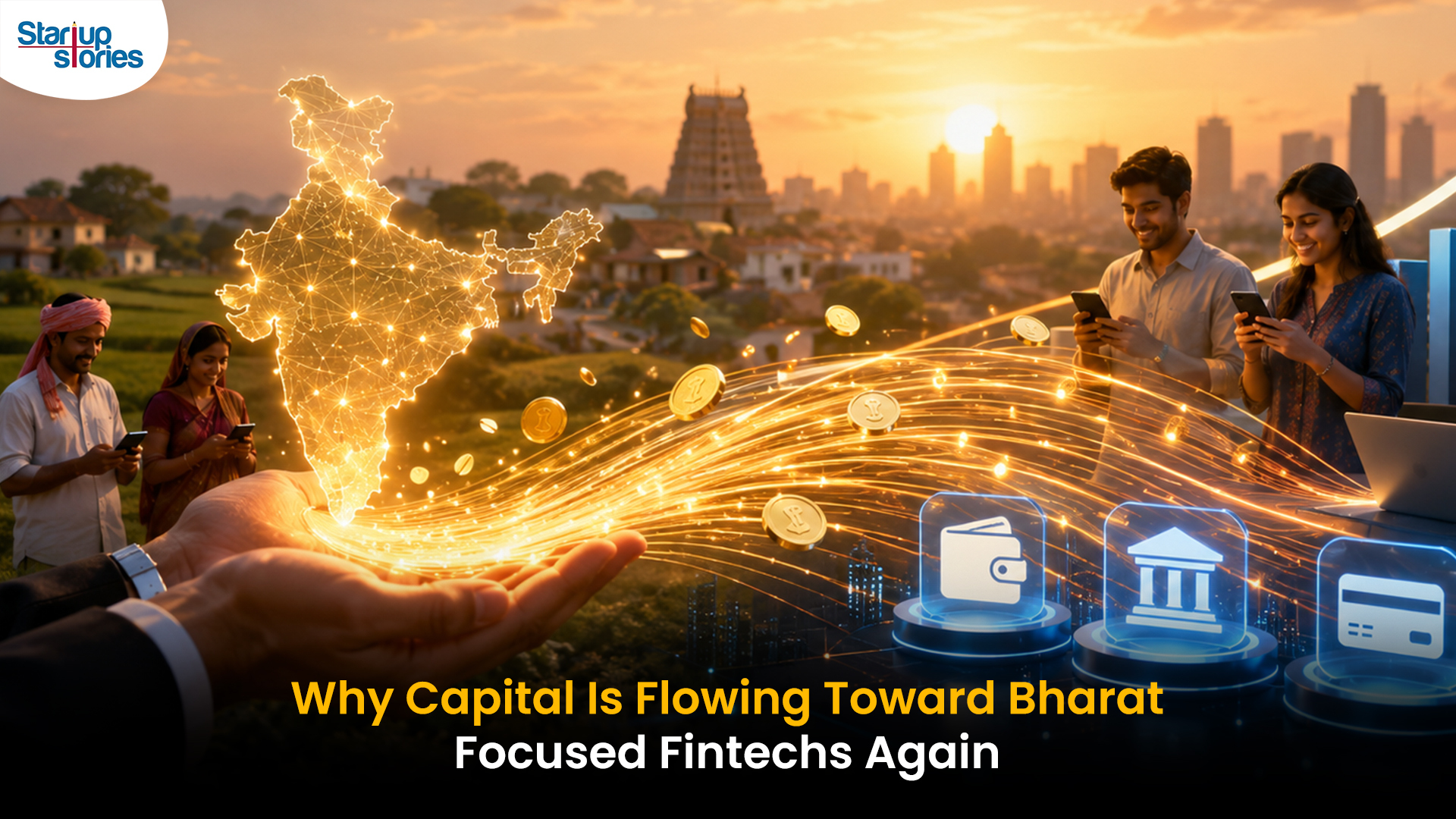
India’s fintech sector is entering a new phase of growth, and the spotlight is increasingly shifting toward underserved consumers in smaller cities and towns. The recent funding secured by WeRize reflects growing investor confidence in platforms that are expanding access to financial products such as credit, insurance, and other services for customers who have traditionally remained outside the reach of formal financial institutions. As digital adoption deepens across the country, fintech companies are finding significant opportunities beyond metro markets.
What makes this trend notable is the industry’s transition from simply enabling digital payments to building broader financial ecosystems. Rather than focusing on a single service, fintech firms are expanding their product portfolios to meet multiple customer needs under one platform. This approach not only strengthens customer relationships but also creates more sustainable business models by increasing engagement and lifetime value.
The larger implication is that India’s next fintech growth story may be driven by financial inclusion rather than convenience alone. Investors are increasingly backing companies that combine technology, data-driven underwriting, and localized distribution to serve emerging consumer segments. As competition intensifies, the ability to build trust, offer relevant products, and address the financial needs of Bharat could become a key differentiator for the next generation of fintech leaders.

OpenAI’s introduction of trusted contact safeguards for potential self-harm cases reflects a major evolution in AI responsibility.
Beyond Moderation
AI safety is shifting from simply blocking harmful content to actively supporting user wellbeing through:
- early risk detection
- human-centered intervention
- stronger emotional safety frameworks
This positions AI as more than an information tool—it becomes part of broader digital support systems.
Key Industry Impact
Trusted contact models could influence future safety standards across:
- AI assistants
- mental health platforms
- social media
- digital health services
The Bigger Challenge
While promising, success depends on balancing:
- privacy
- consent
- ethical intervention
- user trust
Final Take
This move signals that the future of AI safety may rely not just on preventing harmful responses, but on building more responsible, human-connected support systems.

Common Governance Challenges Faced by Nonprofit Organizations in India

How Lenskart Made Indians Comfortable Buying Glasses Online


