
Technology
Modern Technological Innovations To Combat Increasing Food Demands And Climate Change


Climate change has become a serious concern for the world in recent times. With various human activities worsening the world’s climate even more, scientists are working hard to find different solutions to combat the situation.
At the 2016 Paris Climate Change conference, where various political parties and activists gathered to discuss climate change, an agreement was passed with an aim to prevent global temperatures from rising. However, Microsoft founder and philanthropist Bill Gates argued there should be more effort put in than just a cut in global emissions to combat climate change. As a solution, Bill Gates, along with many other billionaires, launched a fund to invest in innovative technologies which will help combat this issue.
Global warming due to food and agricultural practices is a major concern for researchers and activists right now as it is estimated the global population will increase by 3 million people by 2050. This increase in population will require us to convert more forests and other ecosystems into agricultural fields to accommodate the need of the world population, resulting in the emission of 15 billion tonnes of carbon dioxide.
According to a report issued by the World Bank and the United Nations, there will be 50 % expansion of global food needs by 2050, with an increased need for meat based food products. It will require the conversion of nearly 600 million hectares of land for agricultural use and to meet the food requirements of the global population.
With a focus on finding solutions to the food related climate change issues, scientists are working on innovations for the reduction of food loss and waste and for the conservation of peatlands which release huge amounts of carbon dioxide after being converted to farmlands. They are also working on projects to help in decreasing the use of fertilizers in the agricultural field, which causes 20 % of the agricultural emissions in the environment.
Scientists are working on modern technologies like CRISPR Cas9, plant based meat replacements and compounds which stop fertilizers from being converted to nitrous oxide by soil microbes.
CRISPR Cas9 is a modern genome editing tool used in the manipulation of DNA and can be used to create or delete an entire genetic trait in a species. Scientists are working on using the technology to improve plant breeding by altering the genetic traits of various crop plants to improve their quality and increase their resistance from biotic and abiotic stresses.
World’s dependance on meat based food products is also a major concern in terms of climate change as there is no way to meet the meat requirements of 9 billion people worldwide. The solution to this problem is to develop lab grown meat and meat alternatives, undertaken by companies like Beyond Meat. Beyond Meat, which acquired an investment from Bill Gates, produces plant based meat burgers. These meat burgers are made entirely from vegetable protein obtained from peas and can be used as a replacement to meat.
Methane is a potent greenhouse gas which plays a major role in global warming. Majority of the methane in our ecosystem comes from our livestock, with a single cow releasing 3 tonnes of methane into the atmosphere every year by burping. Scientists at DSM Company developed a methane reducing feed additive which can make cows give out less methane.
There are other innovations done by researchers such as the use of solar power to produce hydrogen in nitrogen based fertilizers, using nontoxic spray on films to increase the shelf life of food items and developing crops which can absorb nitrogen, a major contributor to global warming.
It is a major challenge to feed an increasing world population without increasing the global temperatures, but with scientists working on technologies like CRISPR Cas9 and plant based meat food, there is still hope to achieve the impossible goal of combating climate change.









UAE-based G42 has announced plans to deploy an 8 exaflop AI supercomputer in India, announced at the AI Impact Summit 2026 in Delhi. This national-scale project partners with Cerebras, MBZUAI, and India’s C-DAC, operating under full Indian data sovereignty as part of the India AI Mission.
The supercomputer boosts sovereign AI capabilities, enabling startups, researchers, academics, SMEs, and government access for tailored applications like public services and language tech. G42 India CEO Manu Jain highlighted its role in making India AI-native while prioritizing security.
This follows India-UAE tech pacts in late 2025, positioning India among global leaders in exaflop AI infrastructure amid rising demand for localized compute. Cerebras CSO Andy Hock noted it will accelerate large model training for India-specific needs.
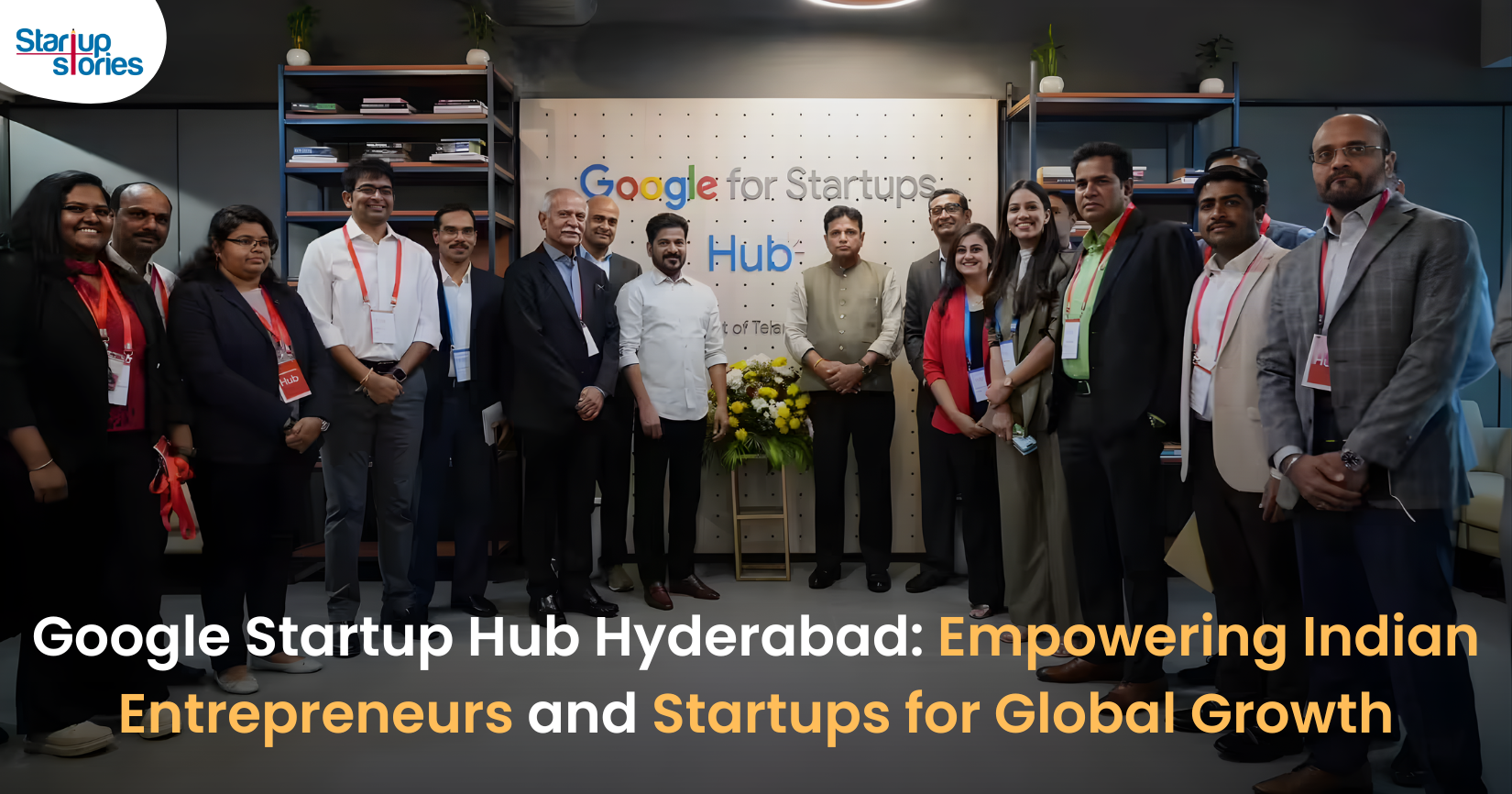
Google has launched the Google Startup Hub Hyderabad, a major step in strengthening India’s dynamic startup ecosystem. This new initiative aims to empower entrepreneurs, innovators, and developers by giving them access to Google’s global expertise, mentoring programs, and advanced cloud technology. The hub reflects Google’s mission to fuel India’s digital transformation and promote innovation through the Google for Startups program.
Located in the heart of one of India’s top tech cities, the Google Startup Hub in Hyderabad will host mentorship sessions, training workshops, and networking events designed for early-stage startups. Founders will receive Google Cloud credits, expert guidance in AI, product development, and business scaling, and opportunities to collaborate with Google’s global mentors and investors. This ecosystem aims to help Indian startups grow faster and compete globally.
With Hyderabad already home to tech giants like Google, Microsoft, and Amazon, the launch of the Google Startup Hub Hyderabad further cements the city’s position as a leading innovation and technology hub in India. Backed by a strong talent pool and robust infrastructure, this hub is set to become a growth engine for next-generation startups, driving innovation from India to global markets.

- Jio Platforms has launched JioPC, a cloud-based virtual desktop service that transforms any television connected to a Jio Set Top Box into a fully functional computer.
- Users simply connect a keyboard and mouse to access a desktop-like environment, complete with web browsing, productivity tools, and educational apps—all without needing a physical PC or extra hardware.
- The service is device-agnostic and works with all consumer PC brands, making advanced computing accessible and affordable for millions across India.
JioPC is designed to support a wide range of activities, from professional work to online learning and creative projects. By leveraging Jio’s robust cloud infrastructure, users can run even compute-intensive AI applications directly from their TV screens. The platform also ensures data security and reliability, as all files and settings are safely stored in the cloud, protecting users from data loss even if their device is reset or replaced.
With JioPC, Jio aims to democratize digital access and bring high-performance computing to Indian households at a fraction of the traditional cost. The service supports popular productivity suites like LibreOffice and Microsoft Office online, and Jio is offering a free trial to encourage users to experience the benefits firsthand. This innovative move is set to reshape how people in India work, learn, and connect in the digital age.

Common Governance Challenges Faced by Nonprofit Organizations in India

How Lenskart Made Indians Comfortable Buying Glasses Online


