
Entrepreneur Stories
Shuttl – A Startup Providing Comfortable Mass Commute Options

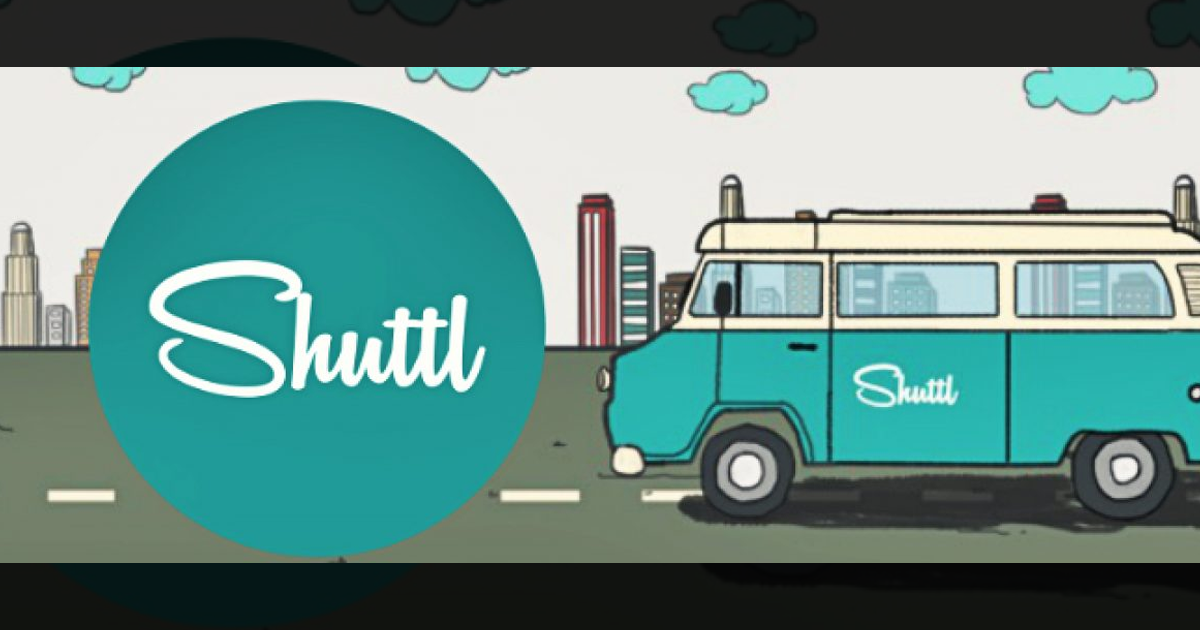
Public transportation in India is a problem as intra city public transport is overused, has bad infrastructure and the vehicles are in poor condition. While the number of transportation options are increasing, the public still prefers using personal vehicles because they prefer the comfort of their vehicle.
Metropolitan cities like Bangalore, Delhi, Mumbai, Hyderabad and Pune see a very high influx of population due to the presence of multiple industries like software and information technology and due to the fact these are major manufacturing hubs. With this influx, public transportation modes like buses and Metro rail are bursting at the seams and unable to meet the demand. Shuttl is a startup which aims to change the commuting game by offering an on demand commuting service which is similar to what Ola and Uber offer. However, the difference stops there because Shuttle has buses, mini buses, vans and SUvs in its fleet, from which people can choose.
How Shuttl began
Shuttl was founded by Deepanshu Malviya and Amit Singh in 2015. While both the founders were working at Jabong, they began thinking about how to solve the problem of transportation as the buses were overcrowded. Indians using public transport have an unspoken rule—if someone leaves a piece of cloth or a bag on a seat, it means he/she has ‘reserved’ the place. This concept led to the idea of Shuttl as the founders realised they could merge technology and the concept to come up with an app based product which lets customers reserve a seat on a bus/mini bus.
How Shuttl works
Shuttl assesses the times when the demand for travel is the highest and more often than not, it is when people go and return from their offices. So, Shuttl offers time slots during which individuals can reserve a seat on a bus. The reservation for the particular time slot remains open until all the seats are booked. Routes are decided by the number of passengers per vehicle (density) and the number of customers. The demand is so high, seats often get sold out 24 hours in advance. Customers have to pay for the seat or can opt for a monthly subscription.
Focusing on the need for buses
Shuttl revamped its fleet to swanky looking buses which have comfortable seating and are air conditioned. By being focused on providing a safe and comfortable travel experience, Shuttl was able to build a dedicated and loyal customer base. Buses are also the most economical and efficient means of transportation for people to get from one point to another. This is because buses are cost efficient, reduce the pollution and traffic footprint.
Shuttl is steadily growing and even attracted venture capital funding from Amazon. It is constantly looking to improve customer experience by trying to bring in features like facial recognition and live CCTV feed to ensure the safety of their passengers, especially women. Shuttl is a startup committed to reducing the carbon footprint and decongesting traffic in cities.
Read about How Bounce is changing last mile commute: Bounce: How The Bike Rental Startup Is Changing The Way We Commute






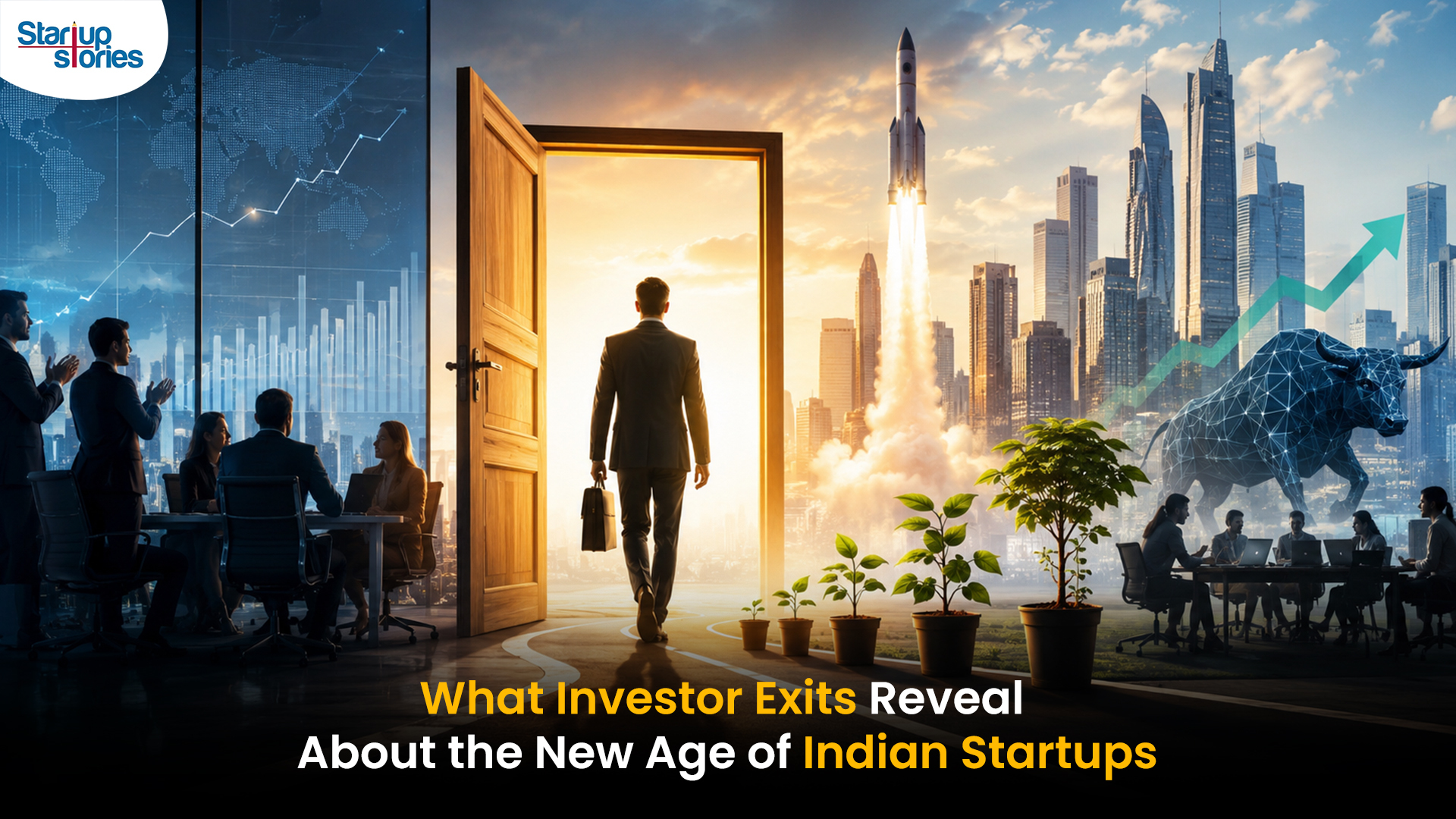
A decade ago, the success of a startup was measured largely by its ability to raise capital. Today, a different metric is gaining importance: the ability to generate meaningful exits for investors. Large stake sales by early backers are becoming increasingly common, not because growth opportunities have disappeared, but because India’s startup ecosystem is entering a more mature phase where capital is expected to complete its full cycle from investment to returns.
This evolution is particularly significant for consumer brands that have successfully blended technology, retail, and strong brand-building. Companies that were once viewed as high-risk startup bets are now attracting institutional investors capable of absorbing large transactions. Such developments indicate that these businesses are no longer being valued solely on future potential; they are increasingly being assessed on operational performance, market leadership, and long-term profitability. In many ways, investor exits are becoming a validation of a company’s ability to create lasting enterprise value.
The broader implication extends beyond a single company or investor. Successful exits encourage more global capital to enter India’s startup ecosystem because they demonstrate that liquidity opportunities exist at scale. As more venture-backed companies approach public listings, secondary transactions, or strategic investments, the focus of founders and investors alike may shift from chasing headline valuations to building durable businesses. The next chapter of India’s startup journey will likely be defined not just by the creation of unicorns, but by the creation of companies capable of delivering sustained returns to all stakeholders.

Apple has unveiled the new MacBook Air with M5 chip, starting at $999 for 13-inch and $1,299 for 15-inch models. The MacBook Air M5 boasts a 2nm M5 chip with 12-core CPU, 18-core GPU, and 50 TOPS Neural Engine for seamless AI tasks like real-time translation and 8K editing. Up to 22 hours of battery life, Thunderbolt 5, and Wi-Fi 7 make it the ultimate ultraportable, now 10% thinner at 0.44 inches with fanless cooling.
Key MacBook Air M5 features include Liquid Retina XDR display (500 nits, nano-texture option), 12MP Center Stage camera, and six-speaker Spatial Audio. Colors like new Sky Blue join Midnight and Starlight. Pre-orders are live today, with macOS Sequoia 15.4 enhancing Apple Intelligence and iPhone Continuity for students, pros, and remote workers.
Why buy MacBook Air M5 now? It outpaces Snapdragon X Elite rivals with ecosystem magic and future-proof performance, eyeing top 2026 laptop sales. CEO Tim Cook calls it “more capable than ever.” Visit apple.com for M5 MacBook deals and specs.

Delhi NCR-based gaming startup Zupee has acquired Mumbai-based microdrama platform Vertical TV in a deal valued under INR 40 Cr. This move strengthens Zupee Studio, its short-video arm launched in September 2025, by integrating Vertical TV’s expertise in bite-sized dramas like romance and thrillers.
Facing challenges from India’s 2025 real-money gaming ban, Zupee valued at $1 Bn after raising $120 Mn has pivoted to non-gaming content, including recent layoffs of 40% of its workforce. The acquisition builds on its November 2025 purchase of Australian AI firm Nucanon for interactive storytelling, targeting its 200 Mn+ users with engaging, mobile-first formats.
This deal underscores the rising microdrama trend in India, helping Zupee diversify amid regulatory pressures and compete in the short-video space dominated by quick, shareable content for on-the-go audiences.


