
Latest News
Tata Power-DDL Partners with Baaz Bikes to Boost Electric Vehicle Adoption in Delhi

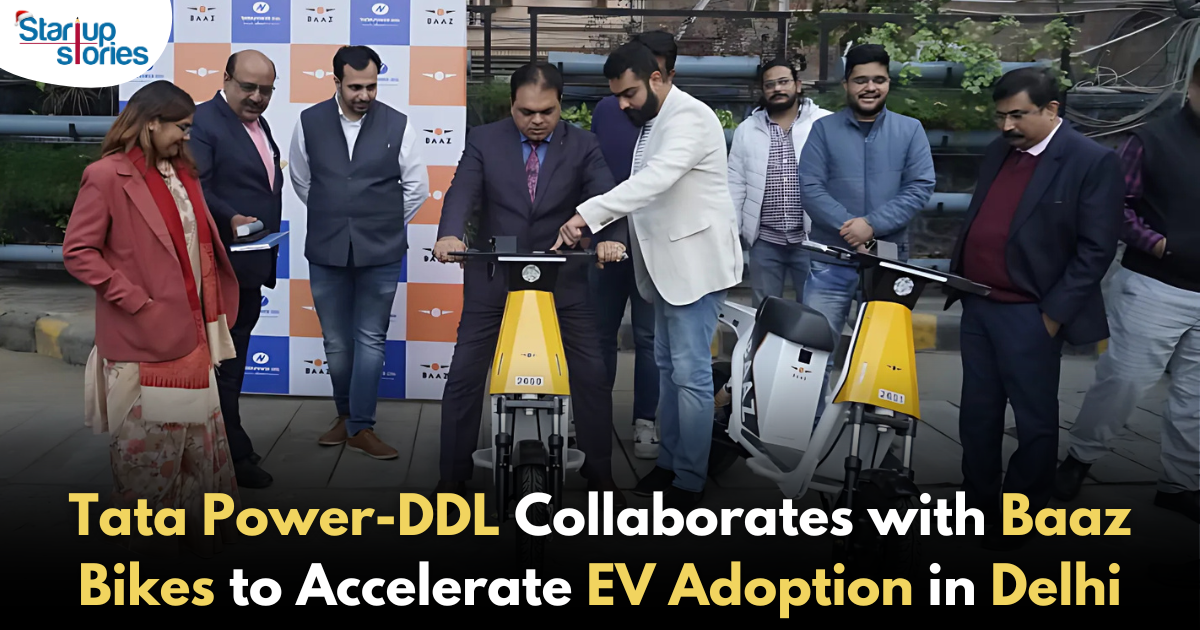
Tata Power Delhi Distribution Limited (Tata Power-DDL) has signed a Memorandum of Understanding (MoU) with Baaz Bikes (Elec torq Technologies Private Limited) to establish a network of electric vehicle (EV) battery swapping stations across North and Northwest Delhi. This collaboration aims to accelerate the adoption of electric vehicles in the region by providing convenient and accessible charging infrastructure for EV users, particularly those involved in the gig economy.
Key Highlights
- Strategic Partnership: Tata Power-DDL will allocate dedicated space within its grid substations for Baaz Bikes to set up and operate battery swapping stations. This integration leverages Tata Power-DDL’s existing infrastructure to enhance the EV ecosystem in Delhi.
- Focus on Gig Economy: The partnership is designed to benefit gig workers, such as delivery personnel and ride-hailing drivers, by providing them with access to a reliable and efficient charging infrastructure. This initiative aims to improve their earnings and livelihoods by minimizing downtime associated with charging.
- Combating Power Theft: The initiative is expected to reduce power theft and promote the formalization of the shared e-mobility sector, contributing to a more organized and sustainable transportation framework.
- Initial Deployment: Baaz Bikes will initially establish three battery swapping stations at strategic locations within Tata Power-DDL’s grid substations, specifically at Rohini Grid-5, Rohini Grid-23, and Rohini Grid-28.
Benefits of Battery Swapping
The introduction of battery swapping technology offers several advantages for EV users:
- Faster Charging: Battery swapping provides a significantly quicker charging solution compared to traditional charging methods, allowing users to get back on the road without long wait times.
- Increased Convenience: EV users can quickly swap depleted batteries for fully charged ones, minimizing downtime and enhancing their overall experience.
- Reduced Vehicle Downtime: By facilitating rapid battery exchanges, battery swapping helps lower operational costs for EV users, making electric mobility more economically viable.
Impact on the EV Ecosystem
This partnership between Tata Power-DDL and Baaz Bikes represents a significant step towards building a robust EV ecosystem in Delhi. By combining Tata Power-DDL’s energy infrastructure with Baaz Bikes’ advanced battery-swapping technology, the collaboration aims to promote commercial gig electric two-wheeler mobility in the region.
Broader Implications
As India pushes towards sustainable transportation solutions, initiatives like this are crucial for increasing EV adoption. The partnership aligns with government efforts to enhance electric mobility infrastructure and reduce carbon emissions across urban areas.
Conclusion
The collaboration between Tata Power-DDL and Baaz Bikes is a proactive approach to fostering electric vehicle adoption in Delhi. By establishing battery swapping stations, they are not only enhancing convenience for users but also contributing to the growth of sustainable transportation solutions. As this initiative unfolds, it will be essential to monitor its impact on both the gig economy and the broader EV landscape in India.






The healthy snacking category in India is no longer a niche trend it is steadily becoming a mainstream consumer movement. The latest funding momentum around brands like Phab highlights how investors are increasingly backing companies that sit at the intersection of health, convenience, and modern lifestyles. As urban consumers become more conscious of ingredients, nutrition, and long-term wellness, demand is shifting away from traditional packaged snacks toward products that promise both taste and better nutritional value.
What makes this market particularly attractive is its ability to create recurring consumer habits. Unlike many direct-to-consumer categories that rely heavily on one-time purchases, healthy snacks naturally fit into daily routines. This opens opportunities for brands to build stronger customer loyalty while expanding into adjacent categories such as protein-rich foods, functional beverages, and wellness-focused products. The competition is no longer about selling snacks it is about owning a larger share of the consumer’s health journey.
Looking ahead, the biggest winners may not be the brands with the widest product portfolios, but those that can balance nutrition, affordability, and taste at scale. As health-conscious consumption expands beyond metro cities, India’s better-for-you food segment could evolve into one of the country’s most significant consumer categories. The growing flow of capital into this space signals that investors are betting on a long-term behavioral shift rather than a short-lived food trend.
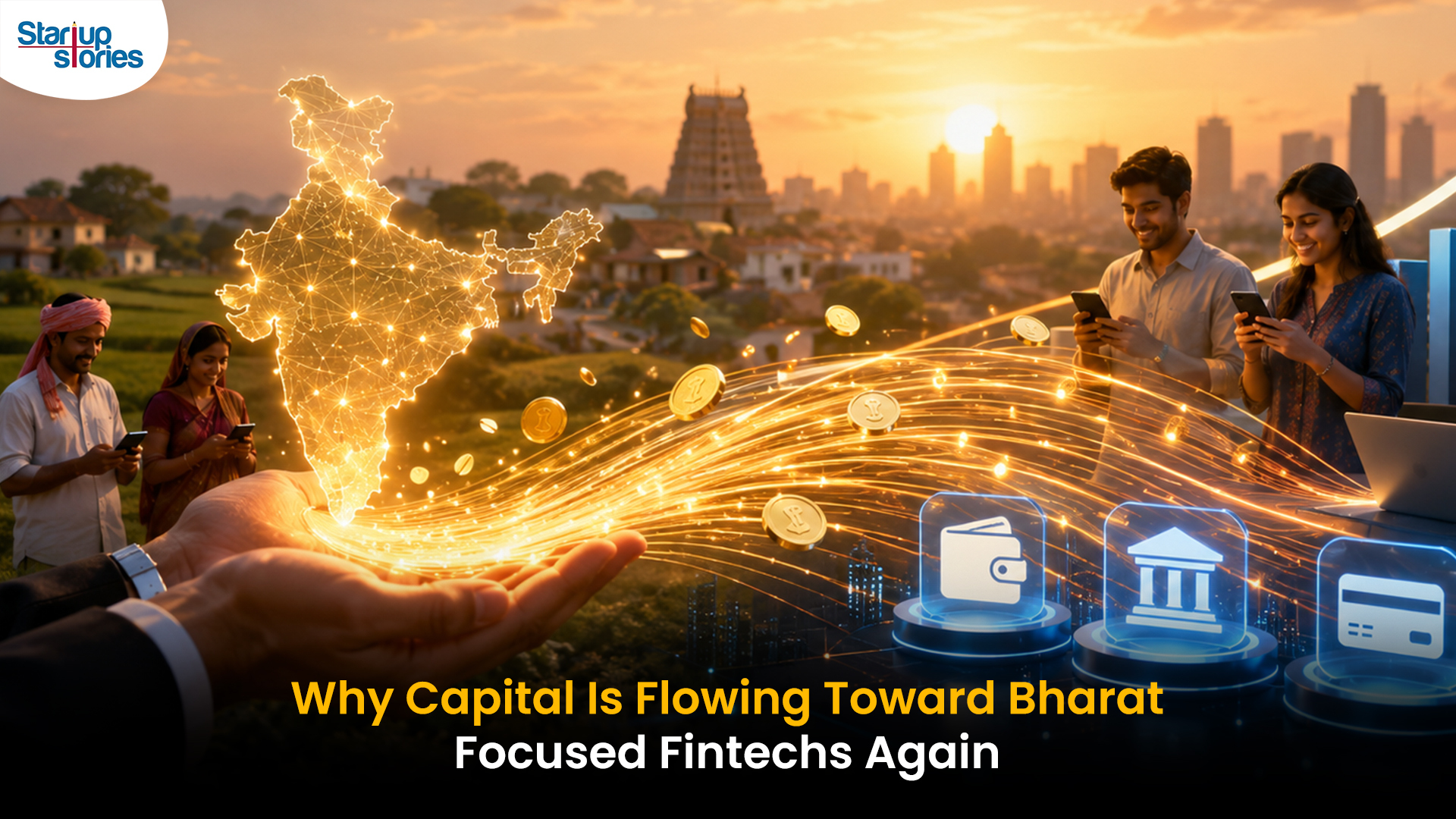
India’s fintech sector is entering a new phase of growth, and the spotlight is increasingly shifting toward underserved consumers in smaller cities and towns. The recent funding secured by WeRize reflects growing investor confidence in platforms that are expanding access to financial products such as credit, insurance, and other services for customers who have traditionally remained outside the reach of formal financial institutions. As digital adoption deepens across the country, fintech companies are finding significant opportunities beyond metro markets.
What makes this trend notable is the industry’s transition from simply enabling digital payments to building broader financial ecosystems. Rather than focusing on a single service, fintech firms are expanding their product portfolios to meet multiple customer needs under one platform. This approach not only strengthens customer relationships but also creates more sustainable business models by increasing engagement and lifetime value.
The larger implication is that India’s next fintech growth story may be driven by financial inclusion rather than convenience alone. Investors are increasingly backing companies that combine technology, data-driven underwriting, and localized distribution to serve emerging consumer segments. As competition intensifies, the ability to build trust, offer relevant products, and address the financial needs of Bharat could become a key differentiator for the next generation of fintech leaders.

OpenAI’s introduction of trusted contact safeguards for potential self-harm cases reflects a major evolution in AI responsibility.
Beyond Moderation
AI safety is shifting from simply blocking harmful content to actively supporting user wellbeing through:
- early risk detection
- human-centered intervention
- stronger emotional safety frameworks
This positions AI as more than an information tool—it becomes part of broader digital support systems.
Key Industry Impact
Trusted contact models could influence future safety standards across:
- AI assistants
- mental health platforms
- social media
- digital health services
The Bigger Challenge
While promising, success depends on balancing:
- privacy
- consent
- ethical intervention
- user trust
Final Take
This move signals that the future of AI safety may rely not just on preventing harmful responses, but on building more responsible, human-connected support systems.

Common Governance Challenges Faced by Nonprofit Organizations in India

How Lenskart Made Indians Comfortable Buying Glasses Online


jogo-tigrinho-fortune-tiger
April 16, 2026 at 2:30 pm
Mahjong Ways 2 manteve ritmo forte na faixa de aposta moderada.
pg-demo-gratis-2026-iniciantes
April 18, 2026 at 1:27 pm
A galera experiente está priorizando constância sobre emoção.
dragon-fortune-demo-2026
April 19, 2026 at 3:33 am
Quem manteve aposta estável evitou oscilação desnecessária.
WilliamPheby
April 20, 2026 at 11:41 am
https://accessbridgepharmacy.shop/# AccessBridge
KennethSlide
April 20, 2026 at 5:39 pm
AccessBridge: reliable rx pharmacy – AccessBridge Pharmacy
women's salomon shoes sale
April 23, 2026 at 9:05 pm
Every sentence here adds value.
TrustGuru.mx Datos
April 30, 2026 at 12:32 am
Daily cashback became an ally for those rolling volume with strategy.
ang koponan ng TrustGuru editoryal
May 1, 2026 at 11:16 pm
the community compares consistency, not just maximum multiplier.
world live tv online
May 2, 2026 at 1:20 am
You nailed it.
acesse o site
May 3, 2026 at 6:34 pm
Between hype and strategy, control plus opportunity still wins.
TrustGuru Brasil Dados
May 7, 2026 at 11:22 pm
The mystery card returned to the center of the regular crowd conversations.
tingnan pa
May 9, 2026 at 3:59 pm
Live streams of Lucky Neko trended again thanks to the more dynamic broadcast feel.
Gem Saviour estratégia
May 22, 2026 at 10:19 pm
Subi R$1.2k. Tô fora.
redação TrustGuru Relatório
May 23, 2026 at 5:34 am
O grupo do telegram fixou o tópico de regras de banca. Finalmente.
Lou Zaeske
May 26, 2026 at 9:11 am
You should be a part of a contest for one of the greatest websites on the internet. I will recommend this web site!
mwplay888
May 26, 2026 at 4:00 pm
Hey there! Do you know if they make any plugins to assist with Search Engine Optimization? I’m trying to get my blog to rank for some targeted keywords but I’m not seeing very good gains. If you know of any please share. Cheers!
bonos sin deposito casino
May 31, 2026 at 10:56 pm
Respeitei meu limite, fui no Gates of Olympus e saí no green. Lucro bom é lucro no bolso.
city driving vs highway driving
June 5, 2026 at 5:28 am
There is visibly a bundle to realize about this. I believe you made various good points in features also.
疯狂世界杯赢钱技巧
June 14, 2026 at 4:00 am
Hey there, You’ve done an incredible job. I’ll definitely digg it and in my view suggest to my friends. I am sure they’ll be benefited from this site.
wie viele spielbanken in las vegas
July 4, 2026 at 12:09 pm
References:
Vulkan stern casino auszahlung wie viele spielbanken in las vegas