
Latest News
Ola And Uber Should Be Regulated: Supreme Court


The Supreme Court stated today, all the app based transport service providers like Uber, Ola and RedBus need to be regulated to adopt a stricter stance on women’s safety. The remarks by the SC Bench were made after senior advocate Indira Jaising said several incidents of crimes committed by the drivers of such services were reported recently.
The Centre will be examining the issue and will also set up a regulatory mechanism for the Internet based service providers. A bench consisting of Justices Madan B. Lokur and Deepak Gupta agreed to examine the plea after it was alleged that some of the companies are foreign based and were not willing to come within the jurisdiction of the Indian courts. The hearing for creating a regulatory regime is scheduled for 7 December 2017. “The issue of regulating public transport including internet based taxi services will be taken up on December 7,” the bench said.
According to Indira Jaising, who will be assisting the bench as the amicus curiae, app based taxi service providers do not conduct background checks on drivers. Citing the recent ban enforced on Uber in London, she added the operators have left the commuters vulnerable to sexual harassment and other crimes. “These companies who run the app based tax services do not have company headquarters in India. It is very difficult to hold them accountable for any crime committed by their drivers,” Jaising added. Additional solicitor general Pinky Anand has been asked to examine the issue and respond to measures to be taken to ensure safety and security of commuters.
The bench has also asked the National Legal Services Authority (NALSA) to set up an expert panel to frame a model that sets guidelines and rules for granting compensation to victims under the Victim Compensation Scheme by December 31. The expert panel consisting of 4 to 5 persons will also take into consideration suggestions from Jaising. “The Chairperson or the nominee of the Chairperson of the National Commission for Women should be associated with the Committee,” the bench further added.
The bench will hear all the matters concerning regulating the public transport and app based taxi providers and victim compensation scheme on January 9, 2018.









The healthy snacking category in India is no longer a niche trend it is steadily becoming a mainstream consumer movement. The latest funding momentum around brands like Phab highlights how investors are increasingly backing companies that sit at the intersection of health, convenience, and modern lifestyles. As urban consumers become more conscious of ingredients, nutrition, and long-term wellness, demand is shifting away from traditional packaged snacks toward products that promise both taste and better nutritional value.
What makes this market particularly attractive is its ability to create recurring consumer habits. Unlike many direct-to-consumer categories that rely heavily on one-time purchases, healthy snacks naturally fit into daily routines. This opens opportunities for brands to build stronger customer loyalty while expanding into adjacent categories such as protein-rich foods, functional beverages, and wellness-focused products. The competition is no longer about selling snacks it is about owning a larger share of the consumer’s health journey.
Looking ahead, the biggest winners may not be the brands with the widest product portfolios, but those that can balance nutrition, affordability, and taste at scale. As health-conscious consumption expands beyond metro cities, India’s better-for-you food segment could evolve into one of the country’s most significant consumer categories. The growing flow of capital into this space signals that investors are betting on a long-term behavioral shift rather than a short-lived food trend.
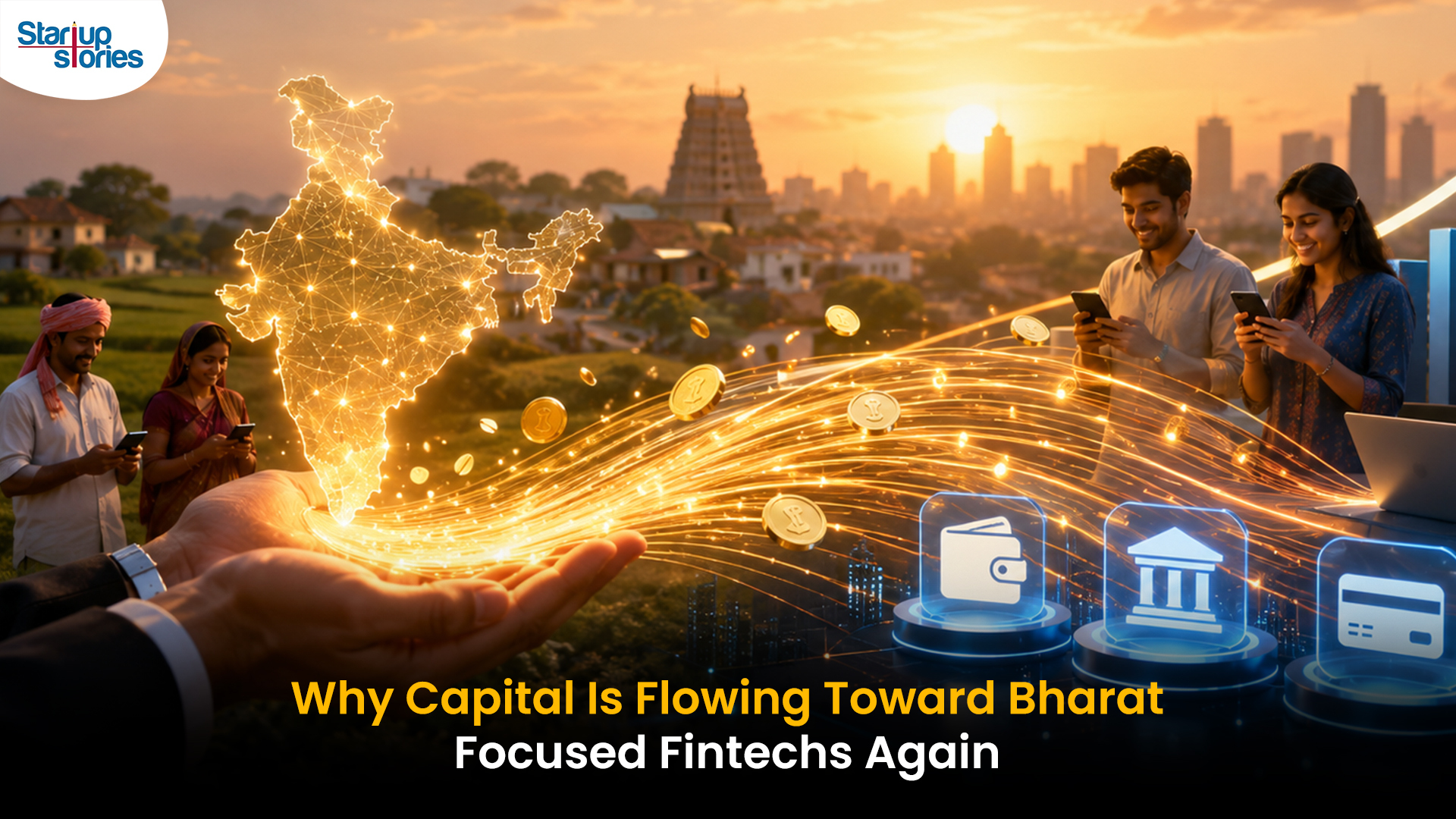
India’s fintech sector is entering a new phase of growth, and the spotlight is increasingly shifting toward underserved consumers in smaller cities and towns. The recent funding secured by WeRize reflects growing investor confidence in platforms that are expanding access to financial products such as credit, insurance, and other services for customers who have traditionally remained outside the reach of formal financial institutions. As digital adoption deepens across the country, fintech companies are finding significant opportunities beyond metro markets.
What makes this trend notable is the industry’s transition from simply enabling digital payments to building broader financial ecosystems. Rather than focusing on a single service, fintech firms are expanding their product portfolios to meet multiple customer needs under one platform. This approach not only strengthens customer relationships but also creates more sustainable business models by increasing engagement and lifetime value.
The larger implication is that India’s next fintech growth story may be driven by financial inclusion rather than convenience alone. Investors are increasingly backing companies that combine technology, data-driven underwriting, and localized distribution to serve emerging consumer segments. As competition intensifies, the ability to build trust, offer relevant products, and address the financial needs of Bharat could become a key differentiator for the next generation of fintech leaders.
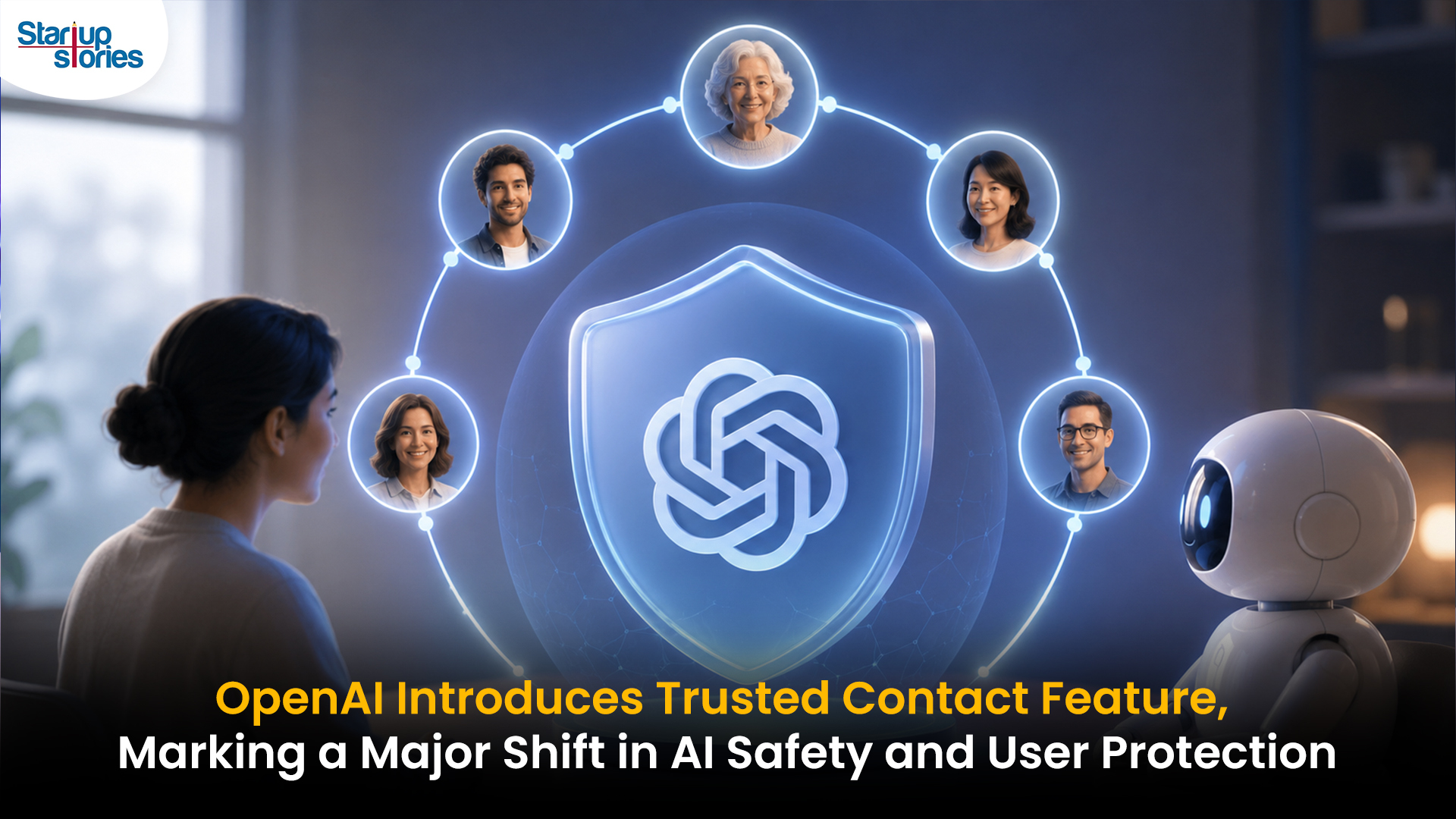
OpenAI’s introduction of trusted contact safeguards for potential self-harm cases reflects a major evolution in AI responsibility.
Beyond Moderation
AI safety is shifting from simply blocking harmful content to actively supporting user wellbeing through:
- early risk detection
- human-centered intervention
- stronger emotional safety frameworks
This positions AI as more than an information tool—it becomes part of broader digital support systems.
Key Industry Impact
Trusted contact models could influence future safety standards across:
- AI assistants
- mental health platforms
- social media
- digital health services
The Bigger Challenge
While promising, success depends on balancing:
- privacy
- consent
- ethical intervention
- user trust
Final Take
This move signals that the future of AI safety may rely not just on preventing harmful responses, but on building more responsible, human-connected support systems.


