
Latest News
Cisco Sets Up Cyber Range Lab In India To Curb Cyber Threats

Networking giant Cisco has started its Cyber Range Lab in Gurgaon recently. This lab aims to provide a highly specialized training center to help security staff build the skills to combat new age cyber threats.
The Cyber Range Lab will provide advanced training to enhance skill tests in addition to testing facilities, intelligence, analytics, and technology know how to customers and its users.
Dinesh Malkani, President, Cisco India, and SAARC said in an interview: “The lab in India underlines the company’s commitment to secure and partner with India and it’s digital transformation.”
This Cyber Range Lab will use 200-500 types of malware, ransomware and also 100 attack cases to provide realistic cyber attack experiences. This facility can be accessed from any corner of the world and will be acting as a living lab of technical knowledge for network security and how to manage cyber attacks.
Last year, Cisco has also launched its India’s Security and Trust Organisation which works with both customers of public as well as private sectors to analyze their infrastructure, understand cyber risks, assist in building networks and lastly identify and alleviate vulnerabilities.
This training will ultimately educate organizations about the necessary steps to be taken when a user becomes a victim of the cyber threat. They also monitor and analyze malware infections and provide actionable information and intelligence to customers.
Cisco has a similar organization in Poland, the US, and Japan.









The healthy snacking category in India is no longer a niche trend it is steadily becoming a mainstream consumer movement. The latest funding momentum around brands like Phab highlights how investors are increasingly backing companies that sit at the intersection of health, convenience, and modern lifestyles. As urban consumers become more conscious of ingredients, nutrition, and long-term wellness, demand is shifting away from traditional packaged snacks toward products that promise both taste and better nutritional value.
What makes this market particularly attractive is its ability to create recurring consumer habits. Unlike many direct-to-consumer categories that rely heavily on one-time purchases, healthy snacks naturally fit into daily routines. This opens opportunities for brands to build stronger customer loyalty while expanding into adjacent categories such as protein-rich foods, functional beverages, and wellness-focused products. The competition is no longer about selling snacks it is about owning a larger share of the consumer’s health journey.
Looking ahead, the biggest winners may not be the brands with the widest product portfolios, but those that can balance nutrition, affordability, and taste at scale. As health-conscious consumption expands beyond metro cities, India’s better-for-you food segment could evolve into one of the country’s most significant consumer categories. The growing flow of capital into this space signals that investors are betting on a long-term behavioral shift rather than a short-lived food trend.
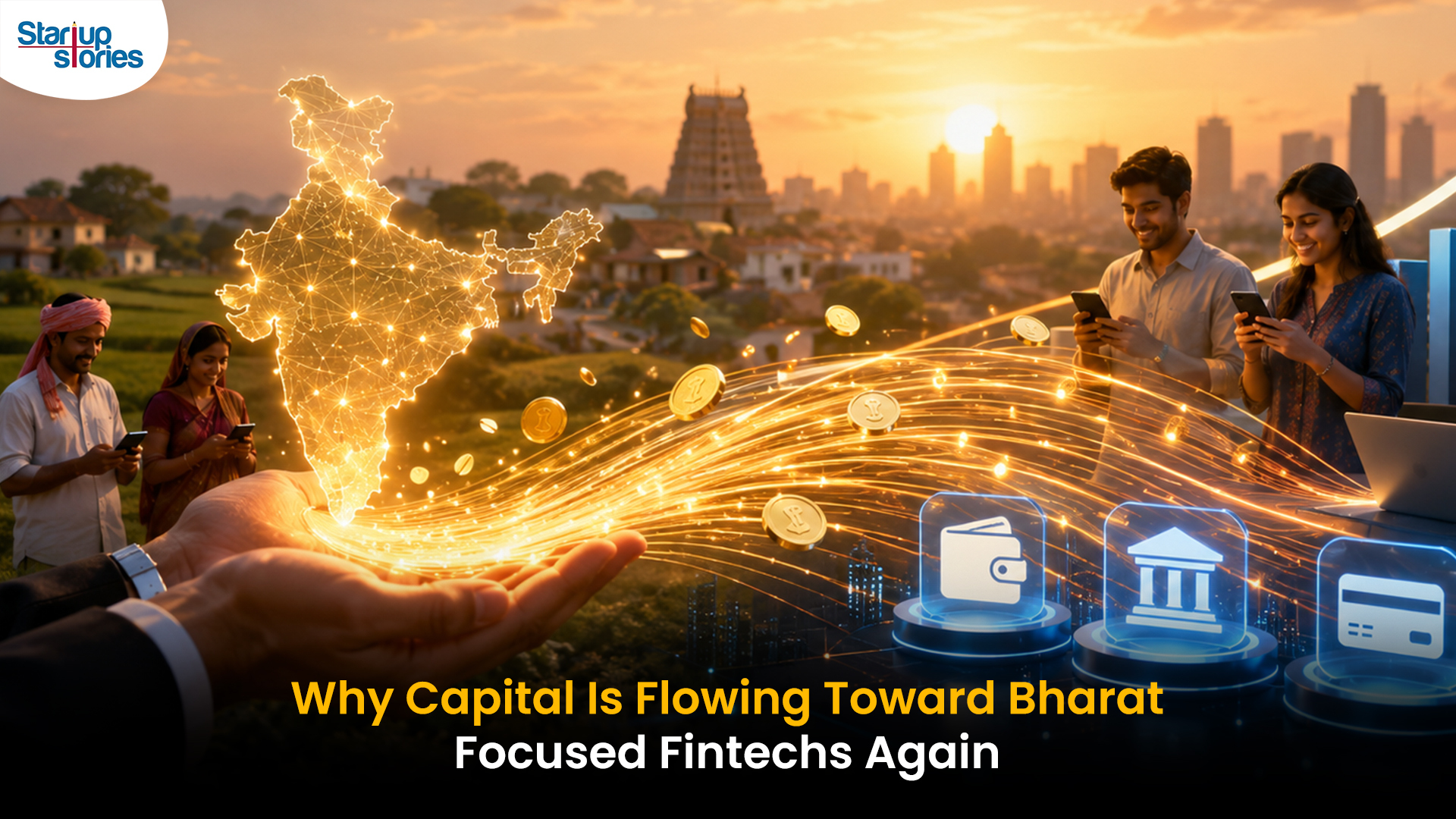
India’s fintech sector is entering a new phase of growth, and the spotlight is increasingly shifting toward underserved consumers in smaller cities and towns. The recent funding secured by WeRize reflects growing investor confidence in platforms that are expanding access to financial products such as credit, insurance, and other services for customers who have traditionally remained outside the reach of formal financial institutions. As digital adoption deepens across the country, fintech companies are finding significant opportunities beyond metro markets.
What makes this trend notable is the industry’s transition from simply enabling digital payments to building broader financial ecosystems. Rather than focusing on a single service, fintech firms are expanding their product portfolios to meet multiple customer needs under one platform. This approach not only strengthens customer relationships but also creates more sustainable business models by increasing engagement and lifetime value.
The larger implication is that India’s next fintech growth story may be driven by financial inclusion rather than convenience alone. Investors are increasingly backing companies that combine technology, data-driven underwriting, and localized distribution to serve emerging consumer segments. As competition intensifies, the ability to build trust, offer relevant products, and address the financial needs of Bharat could become a key differentiator for the next generation of fintech leaders.

OpenAI’s introduction of trusted contact safeguards for potential self-harm cases reflects a major evolution in AI responsibility.
Beyond Moderation
AI safety is shifting from simply blocking harmful content to actively supporting user wellbeing through:
- early risk detection
- human-centered intervention
- stronger emotional safety frameworks
This positions AI as more than an information tool—it becomes part of broader digital support systems.
Key Industry Impact
Trusted contact models could influence future safety standards across:
- AI assistants
- mental health platforms
- social media
- digital health services
The Bigger Challenge
While promising, success depends on balancing:
- privacy
- consent
- ethical intervention
- user trust
Final Take
This move signals that the future of AI safety may rely not just on preventing harmful responses, but on building more responsible, human-connected support systems.

Common Governance Challenges Faced by Nonprofit Organizations in India

How Lenskart Made Indians Comfortable Buying Glasses Online


