
Latest News
Lenskart Acquires Japan’s Owndays to Form Asian Eyewear Giant!


Indian eyewear retailer Lenskart has announced its acquisition of a majority stake in Japan’s Owndays Inc., marking a significant step toward creating one of Asia’s largest online eyewear retailers. Supported by SoftBank Group, Lenskart has finalized a deal to purchase shares of Owndays from major stakeholders L Catterton Asia and Mitsui & Co. Principal Investments.
Deal Overview
The acquisition is valued at approximately $400 million, according to Bloomberg, and positions Owndays to operate as a premium eyewear brand while Lenskart continues to focus on the middle and mass market segments. Although Lenskart will hold a majority stake, the acquisition is structured as a merger, allowing Owndays to maintain its independent operations under the leadership of co-founders Shuji Tanaka and Take Umiyama.
Expansion of Market Reach
This strategic acquisition expands Lenskart’s footprint to 13 Asian markets, including Singapore, Thailand, Taiwan, the Philippines, Indonesia, Malaysia, and Japan. Founded in 1989, Owndays has been a pioneer in eyewear retail, launching its first overseas stores in 2013. Today, it operates 460 outlets across various countries in addition to Japan.
Market Potential
Lenskart’s co-founder and CEO, Peyush Bansal, emphasized the vast untapped potential in the eyewear market, stating, “About 4.5 billion people worldwide need prescription glasses, but only half of them have access. This represents a $50 billion to $100 billion opportunity and a chance to build an Amazon for eyewear.” This statement underscores Lenskart’s vision of democratizing access to eyewear products.
Financial Projections
With this acquisition, Lenskart and Owndays project combined sales of $650 million for the fiscal year ending March 2023. Lenskart alone is expected to reach profitability at $400 million in sales within the same period. Founded in 2010, Lenskart has rapidly grown into India’s leading e-commerce portal for eyewear, achieving a remarkable 65% growth rate last year and projecting even higher numbers this year.
Strategic Vision
This partnership solidifies Lenskart’s position as a leader in the global eyewear market by combining innovative retail strategies with a strong regional presence. The merger allows Lenskart to leverage Owndays’ established brand reputation and operational expertise while expanding its product offerings into the premium segment.
Lenskart has also been focusing on enhancing its technological capabilities, investing in digital transformation initiatives aimed at improving customer experiences across both brands. The acquisition aligns with Lenskart’s broader strategy of integrating advanced technology into its operations, which includes plans for supply chain automation and enhanced online services.
Future Outlook
As Lenskart continues its expansion across Asia, this acquisition not only strengthens its market position but also opens up new avenues for growth in an increasingly competitive landscape. By merging with Owndays, Lenskart aims to redefine the eyewear shopping experience for consumers across diverse markets while addressing the significant unmet demand for quality eyewear solutions.
In conclusion, this strategic move positions Lenskart as a formidable player in the Asian eyewear market, poised to capitalize on emerging opportunities while delivering value to customers through enhanced product offerings and services.







The healthy snacking category in India is no longer a niche trend it is steadily becoming a mainstream consumer movement. The latest funding momentum around brands like Phab highlights how investors are increasingly backing companies that sit at the intersection of health, convenience, and modern lifestyles. As urban consumers become more conscious of ingredients, nutrition, and long-term wellness, demand is shifting away from traditional packaged snacks toward products that promise both taste and better nutritional value.
What makes this market particularly attractive is its ability to create recurring consumer habits. Unlike many direct-to-consumer categories that rely heavily on one-time purchases, healthy snacks naturally fit into daily routines. This opens opportunities for brands to build stronger customer loyalty while expanding into adjacent categories such as protein-rich foods, functional beverages, and wellness-focused products. The competition is no longer about selling snacks it is about owning a larger share of the consumer’s health journey.
Looking ahead, the biggest winners may not be the brands with the widest product portfolios, but those that can balance nutrition, affordability, and taste at scale. As health-conscious consumption expands beyond metro cities, India’s better-for-you food segment could evolve into one of the country’s most significant consumer categories. The growing flow of capital into this space signals that investors are betting on a long-term behavioral shift rather than a short-lived food trend.
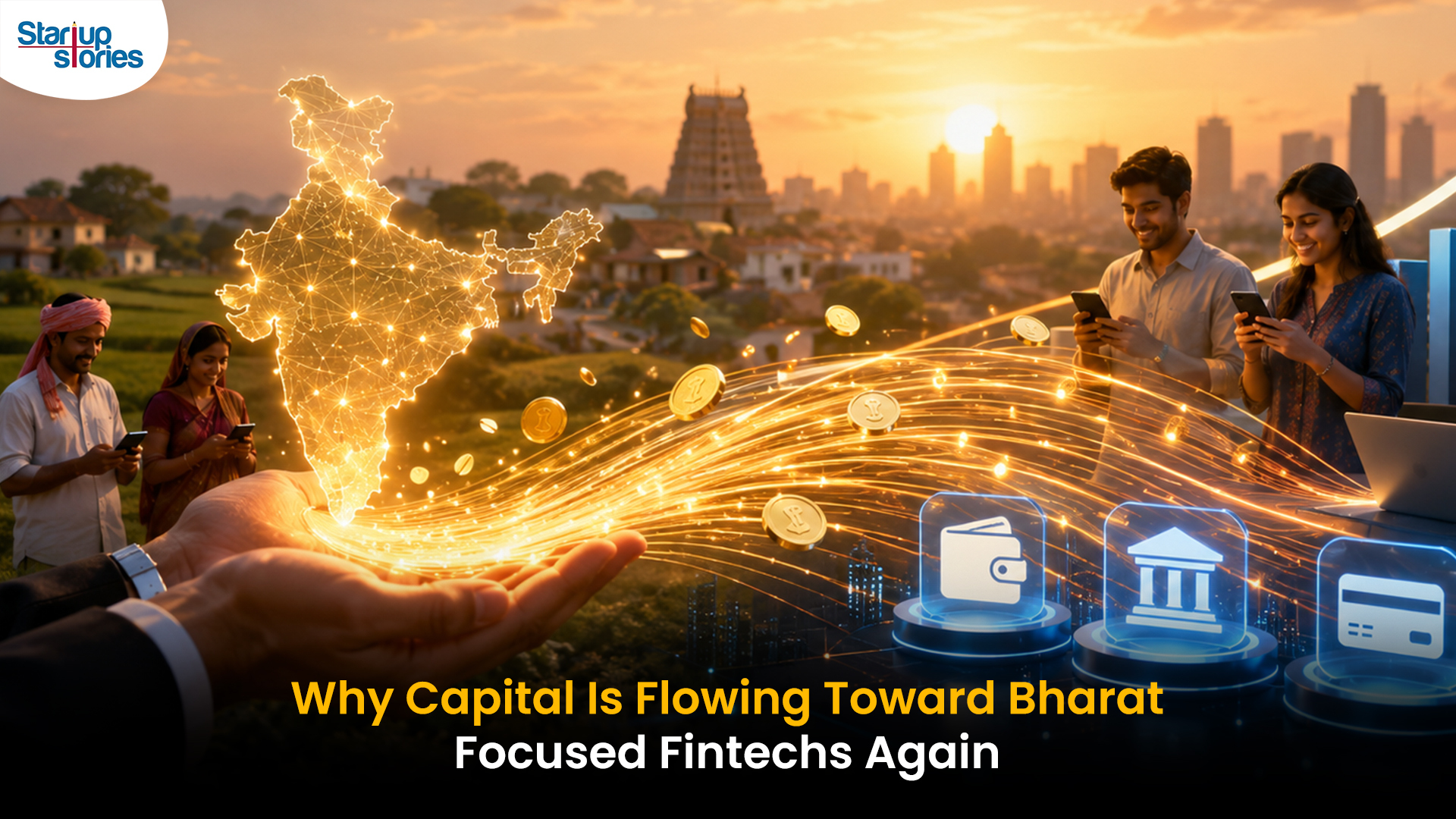
India’s fintech sector is entering a new phase of growth, and the spotlight is increasingly shifting toward underserved consumers in smaller cities and towns. The recent funding secured by WeRize reflects growing investor confidence in platforms that are expanding access to financial products such as credit, insurance, and other services for customers who have traditionally remained outside the reach of formal financial institutions. As digital adoption deepens across the country, fintech companies are finding significant opportunities beyond metro markets.
What makes this trend notable is the industry’s transition from simply enabling digital payments to building broader financial ecosystems. Rather than focusing on a single service, fintech firms are expanding their product portfolios to meet multiple customer needs under one platform. This approach not only strengthens customer relationships but also creates more sustainable business models by increasing engagement and lifetime value.
The larger implication is that India’s next fintech growth story may be driven by financial inclusion rather than convenience alone. Investors are increasingly backing companies that combine technology, data-driven underwriting, and localized distribution to serve emerging consumer segments. As competition intensifies, the ability to build trust, offer relevant products, and address the financial needs of Bharat could become a key differentiator for the next generation of fintech leaders.

OpenAI’s introduction of trusted contact safeguards for potential self-harm cases reflects a major evolution in AI responsibility.
Beyond Moderation
AI safety is shifting from simply blocking harmful content to actively supporting user wellbeing through:
- early risk detection
- human-centered intervention
- stronger emotional safety frameworks
This positions AI as more than an information tool—it becomes part of broader digital support systems.
Key Industry Impact
Trusted contact models could influence future safety standards across:
- AI assistants
- mental health platforms
- social media
- digital health services
The Bigger Challenge
While promising, success depends on balancing:
- privacy
- consent
- ethical intervention
- user trust
Final Take
This move signals that the future of AI safety may rely not just on preventing harmful responses, but on building more responsible, human-connected support systems.

Common Governance Challenges Faced by Nonprofit Organizations in India

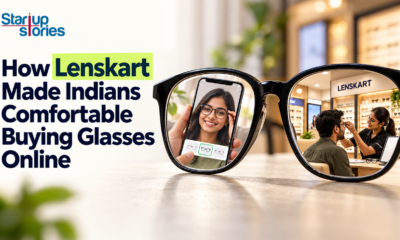
How Lenskart Made Indians Comfortable Buying Glasses Online


