
Coco Chanel Life Lessons


Coco Chanel, the woman behind the Chanel brand, showed the world that fashion transcends the beauty and looks department. Not only did she change the way people saw fashion, she also changed the way people saw women as leaders. While you may know the clothes created by the woman, how much do you know about the lessons taught by the iconic symbol? Check out these truly inspiring lessons from Coco Chanel here:
1. Innovation of any kind needs a vision

When Coco Chanel introduced the world to the Chanel group, she gave women the chance to see a different side of clothes and fashion. At a time when corsets and tight dresses were the norm of the day, Chanel made people realise there was a different way of dressing. Be it the boyish charms, the clean lines or the simplicity of her designs, everyone not only fell in love with her ideas, but with her entire brand. The lesson here? Innovation is necessary to make people see the world in a different way!
2. Create the life you want

Coco Chanel was thrown into the deep end when her mother passed away when she was just 12 years old. Her father, a peddler at the time, was financially strapped and with no way to look after his daughter, put her into an orphanage run by nuns. The orphanage was where Coco Chanel’s love for fashion and clothes started. It was also where she realised she could be who she wanted, despite society telling her otherwise. All she needed to do was grab life by the horns and make the best out of every situation. The nuns at the orphanage taught Coco Chanel how to sew. From the moment she started learning how to sew, Coco Chanel realised she had something very beautiful at her disposal. This skill laid the foundation for Coco Chanel working on what would become her empire, the Chanel group.
3. Your name is everything

When people see the Chanel brand, they think of the woman behind the brand first and then the group. The reason this happened was because Coco Chanel put in so much effort into creating her brand, she made herself be known first. Focus on creating something unique and focus on why your product stands out. Your name is what you make of yourself and when you put in all the effort you possibly can, things will fall into place. Unlike what Shakespeare said, a lot goes into your name!
4. There is power in diversifying

While some brands become famous because they stick to one particular kind of trend, others become great because they know there is power in branching out. Coco Chanel falls in the second category. She taught us, diversification is not only the best way to expand your product range, it is also the best way to ensure financial stability. If one of the multiple things you are working on falls through, you always have a backup.
5. Respond to what the market wants
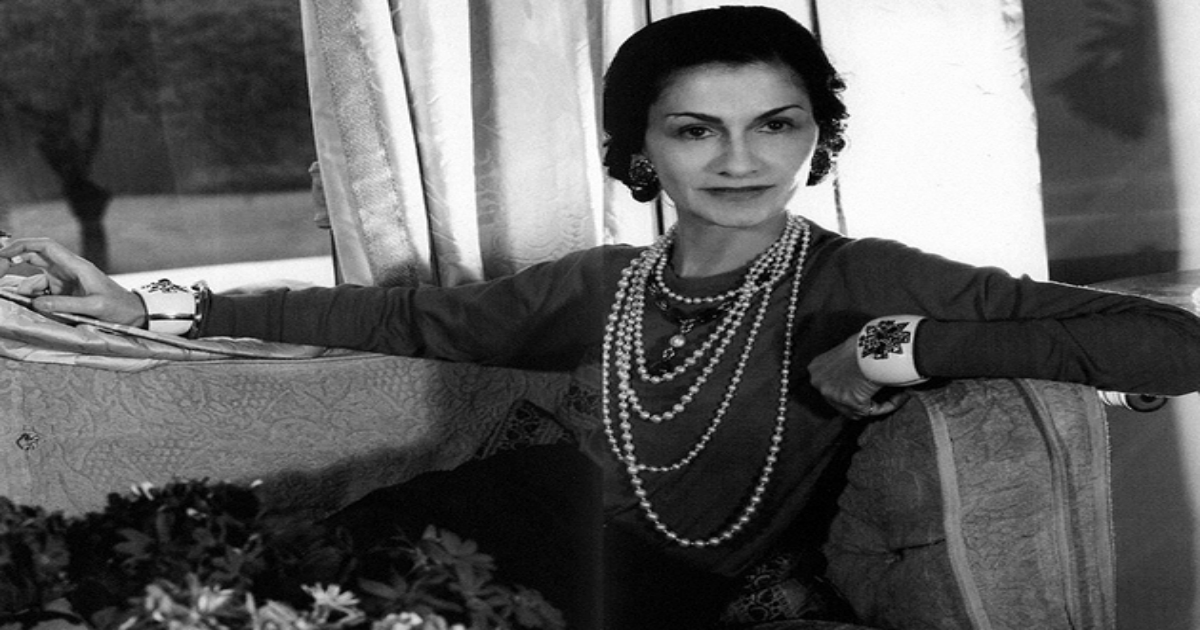
Perhaps one of the reasons Coco Chanel became so famous was because she gave her audience a product they didn’t think they wanted. Women at that point of time needed to be told they could dress differently and if they didn’t have options to dress differently, Coco Chanel was there to give them the options. Everything Coco Chanel did, she made sure to have her eye on what the market wants and by doing so, she quite literally changed the world.
Everything Coco Chanel did was aimed at making things better for women. If you think we missed out on any other life lessons from the woman behind the Chanel group, comment and let us know!









A decade ago, the success of a startup was measured largely by its ability to raise capital. Today, a different metric is gaining importance: the ability to generate meaningful exits for investors. Large stake sales by early backers are becoming increasingly common, not because growth opportunities have disappeared, but because India’s startup ecosystem is entering a more mature phase where capital is expected to complete its full cycle from investment to returns.
This evolution is particularly significant for consumer brands that have successfully blended technology, retail, and strong brand-building. Companies that were once viewed as high-risk startup bets are now attracting institutional investors capable of absorbing large transactions. Such developments indicate that these businesses are no longer being valued solely on future potential; they are increasingly being assessed on operational performance, market leadership, and long-term profitability. In many ways, investor exits are becoming a validation of a company’s ability to create lasting enterprise value.
The broader implication extends beyond a single company or investor. Successful exits encourage more global capital to enter India’s startup ecosystem because they demonstrate that liquidity opportunities exist at scale. As more venture-backed companies approach public listings, secondary transactions, or strategic investments, the focus of founders and investors alike may shift from chasing headline valuations to building durable businesses. The next chapter of India’s startup journey will likely be defined not just by the creation of unicorns, but by the creation of companies capable of delivering sustained returns to all stakeholders.

The healthy snacking category in India is no longer a niche trend it is steadily becoming a mainstream consumer movement. The latest funding momentum around brands like Phab highlights how investors are increasingly backing companies that sit at the intersection of health, convenience, and modern lifestyles. As urban consumers become more conscious of ingredients, nutrition, and long-term wellness, demand is shifting away from traditional packaged snacks toward products that promise both taste and better nutritional value.
What makes this market particularly attractive is its ability to create recurring consumer habits. Unlike many direct-to-consumer categories that rely heavily on one-time purchases, healthy snacks naturally fit into daily routines. This opens opportunities for brands to build stronger customer loyalty while expanding into adjacent categories such as protein-rich foods, functional beverages, and wellness-focused products. The competition is no longer about selling snacks it is about owning a larger share of the consumer’s health journey.
Looking ahead, the biggest winners may not be the brands with the widest product portfolios, but those that can balance nutrition, affordability, and taste at scale. As health-conscious consumption expands beyond metro cities, India’s better-for-you food segment could evolve into one of the country’s most significant consumer categories. The growing flow of capital into this space signals that investors are betting on a long-term behavioral shift rather than a short-lived food trend.
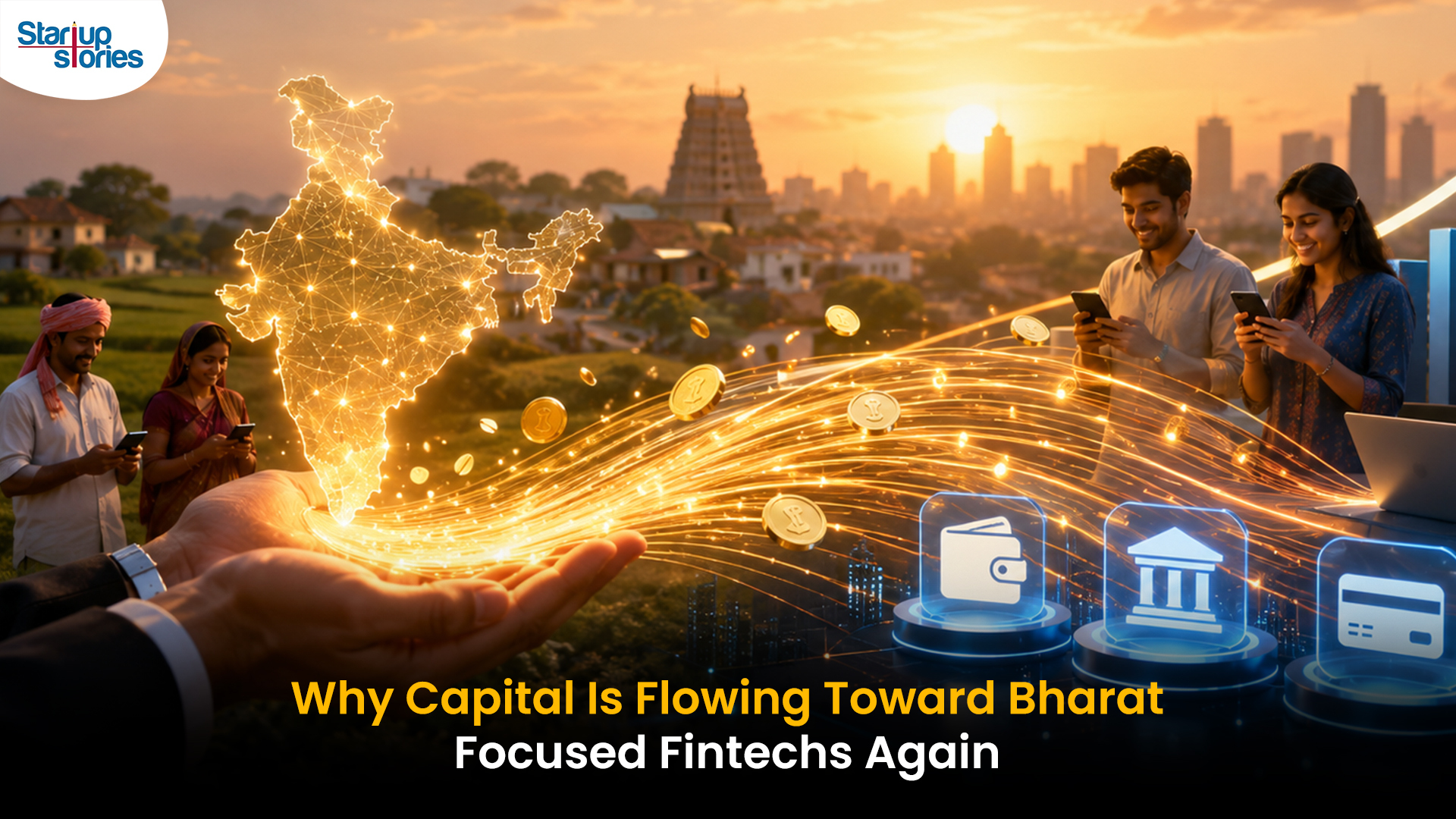
India’s fintech sector is entering a new phase of growth, and the spotlight is increasingly shifting toward underserved consumers in smaller cities and towns. The recent funding secured by WeRize reflects growing investor confidence in platforms that are expanding access to financial products such as credit, insurance, and other services for customers who have traditionally remained outside the reach of formal financial institutions. As digital adoption deepens across the country, fintech companies are finding significant opportunities beyond metro markets.
What makes this trend notable is the industry’s transition from simply enabling digital payments to building broader financial ecosystems. Rather than focusing on a single service, fintech firms are expanding their product portfolios to meet multiple customer needs under one platform. This approach not only strengthens customer relationships but also creates more sustainable business models by increasing engagement and lifetime value.
The larger implication is that India’s next fintech growth story may be driven by financial inclusion rather than convenience alone. Investors are increasingly backing companies that combine technology, data-driven underwriting, and localized distribution to serve emerging consumer segments. As competition intensifies, the ability to build trust, offer relevant products, and address the financial needs of Bharat could become a key differentiator for the next generation of fintech leaders.


